Pet wellness exams in Whitehouse Station, NJ
Open seven days a week on Route 22, so the annual exam your pet needs does not have to wait for a weekday you do not have.
The visit that finds problems while they are small
Most of what goes wrong with dogs and cats as they age is quiet at first. Kidneys lose function long before a pet drinks more water. A heart murmur is audible years before there is a cough. Dental disease is painful well before a pet stops eating. The wellness exam is how the veterinarians at Hunterdon Hills Animal Hospital find these things at the stage where they are simple to manage.
Hunterdon Hills is a full-service hospital on Route 22 East in Whitehouse Station, in Readington Township. We are open seven days a week including Saturday and Sunday, which means a routine wellness visit does not have to mean time off work or a rushed trip after school pick-up.
Hunterdon Hills provides complete wellness care for dogs and cats in Whitehouse Station and Readington Township: annual and twice-yearly senior exams, lifestyle-matched vaccines, heartworm, tick-borne disease and fecal screening, annual wellness blood work, and Saturday wellness appointments.
- Full nose-to-tail exam with weight, dental grade and lumps recorded year over year
- Annual wellness blood work, 4Dx heartworm and tick-borne disease test and fecal exam, collected at the visit and sent to our reference laboratory
- Vaccines matched to your pet's lifestyle, given after the exam
- Saturday appointments, 8 AM to 4 PM, for wellness exams and routine care
- Skin, allergy, thyroid and behavior questions handled by our own team
Why preventive care is not optional
How often the American Heartworm Society says every dog should be tested for heartworm.
American Heartworm SocietyHow long heartworm preventive should be given. Mosquito season in New Jersey is not predictable enough to skip months.
American Heartworm SocietyHeartworm disease has been diagnosed in every US state, including New Jersey.
American Heartworm SocietyOf US dogs and cats respectively were overweight or obese in the most recent national survey. Weight is checked at every wellness exam.
Association for Pet Obesity Prevention, 2022Most dogs and cats already show signs of periodontal disease. The wellness exam is where it is graded and tracked.
American Veterinary Medical AssociationOur recommended interval between wellness exams: yearly for healthy adults, every six months for seniors.
Hunterdon Hills recommendationWhat sets our wellness care apart
Saturday wellness appointments
Open Saturday 8 AM to 4 PM for exams, vaccines and routine care, and weekday evenings until 6.
Lifestyle-matched vaccines
Core vaccines for every pet; Lyme, lepto, Bordetella, influenza and FeLV only where the exposure is real.
Annual wellness blood work
A yearly baseline that catches kidney, thyroid and liver disease, diabetes and infections earlier.
Twice-yearly senior visits
Dogs 7 and over and cats 10 and over are seen every six months, usually with blood work and urinalysis.
When to bring your pet in sooner
The wellness exam is the scheduled visit. These are the changes at home that mean you should not wait for it.
An early sign of kidney disease, diabetes or thyroid disease. Worth a visit and blood work before the next scheduled exam.
Gain or loss of more than a few percent between visits usually has a medical cause.
Often a sign of dental pain or infection. Book a visit rather than waiting for the next wellness exam.
Most are benign. All should be measured, and many should be sampled.
Often early arthritis, which is very manageable when caught early.
Can signal heart or lung disease. Call the same day.
Do not wait for the next wellness exam.
Pets mask pain. A behavior change is often the only clue.
What to expect at a wellness exam
History and your questions
What has changed since the last visit: appetite, thirst, energy, bathroom habits, lumps, limping, itching, behavior.
Nose-to-tail physical exam
Eyes, ears, mouth and teeth, heart and lungs, abdomen, skin and lumps, lymph nodes, joints and gait, weight and body condition.
Screening and vaccines
Annual wellness blood work, the heartworm and tick-borne disease blood test and a fecal exam, plus any vaccines that are due, given after the exam.
Plan and estimate
A clear explanation of what was found, what is recommended and why, with an itemized estimate before anything beyond the exam is done.
We recommend wellness blood work every year. It gives us a baseline of what is normal for your pet and catches problems earlier, such as kidney disease, thyroid disease, diabetes, Cushing's disease, infections and liver disease, and it is collected alongside the heartworm, tick-borne disease and fecal tests. At the wellness visit we take samples for a 4Dx blood test on dogs, which screens for heartworm plus Lyme, anaplasmosis and ehrlichiosis in one small sample, and a fecal exam on dogs and cats for roundworms, hookworms, whipworms, giardia and other intestinal parasites, several of which can pass to people. Routine samples go to an outside reference laboratory; when a pet is sick or the case is urgent, we run tests in-house. A current fecal test is also what allows us to prescribe your pet's monthly preventive. Because tick and mosquito activity follows the weather rather than the calendar, we recommend year-round flea, tick and heartworm prevention. Read more about heartworm and parasite screening and vaccinations.
Wellness care by species and life stage
Dogs Annual exam from age 1
Adult dogs are examined yearly, with wellness blood work, a 4Dx heartworm and tick-borne disease test, a fecal exam, weight and dental grading, and vaccines matched to lifestyle. Dogs who hike, board or visit daycare have different vaccine and parasite needs from dogs who stay close to home.
Cats Annual exam, indoor or outdoor
Cats hide illness until it is advanced, which makes the yearly exam more important, not less. Dental disease, kidney disease, hyperthyroidism and obesity are all common in cats and all are found earlier at a routine exam and yearly blood work than at home. Rabies vaccination is recommended for indoor cats too.
A visit every three to four weeks for the vaccine and deworming series, with a check of growth, nutrition and socialization at each one, then a visit around six months to plan spay or neuter.
One wellness exam a year, with wellness blood work, the annual parasite screen and vaccines as they fall due. This is when a baseline of normal weight, dental grade and blood values is built.
Every six months, usually with blood work and urinalysis. Kidney, thyroid, heart and joint disease progress quickly in older pets and are far easier to manage when caught at a routine visit.
Giant breeds reach senior status earlier, around five or six. Brachycephalic dogs and cats need closer attention to breathing, weight and dental crowding at every exam.
Weekend wellness appointments
Saturdays are a full appointment day
Hunterdon Hills is open Saturday and Sunday from 8 AM to 4 PM. Saturday is a full appointment day for wellness exams, vaccines and routine care, and Saturdays are popular, so book ahead. Sunday hours are reserved for urgent care and sick visits.
More than dogs and cats
Hunterdon Hills also sees backyard chickens and goats. If they are part of your household alongside the dog, ask about wellness care for them when you call.
What you can do at home
The wellness exam is once or twice a year. These six habits are what make the other 363 days count.
Keep a stable weight
Weigh your pet monthly if you can, and learn to feel for ribs and a waist. Weight is the most common preventable health problem we see and it affects joints, heart and lifespan.
Brush teeth, or the next best thing
Daily brushing with a pet-safe toothpaste is the standard. Dental chews with the VOHC seal, dental diets or water additives are the fallback for pets who will not tolerate a brush.
Stay on prevention all year
Give flea, tick and heartworm preventive every month, all twelve months. A warm week in February is enough to bring ticks out in Hunterdon County.
Bring a stool sample
A fresh sample (within 24 hours, refrigerated is fine) means it can go to the lab with the rest of your pet's samples, without a second trip.
Know your pet's normal
Note how much they eat and drink, how often they urinate, and how far they walk comfortably. Changes in these are the earliest signs of most chronic disease.
Film anything odd
A ten-second phone video of a cough, a limp or a strange episode at home is usually more useful to your veterinarian than a description.
The veterinarians at Hunterdon Hills
Every veterinarian on our team sees dogs and cats for wellness exams. You are welcome to request a particular doctor when you book.
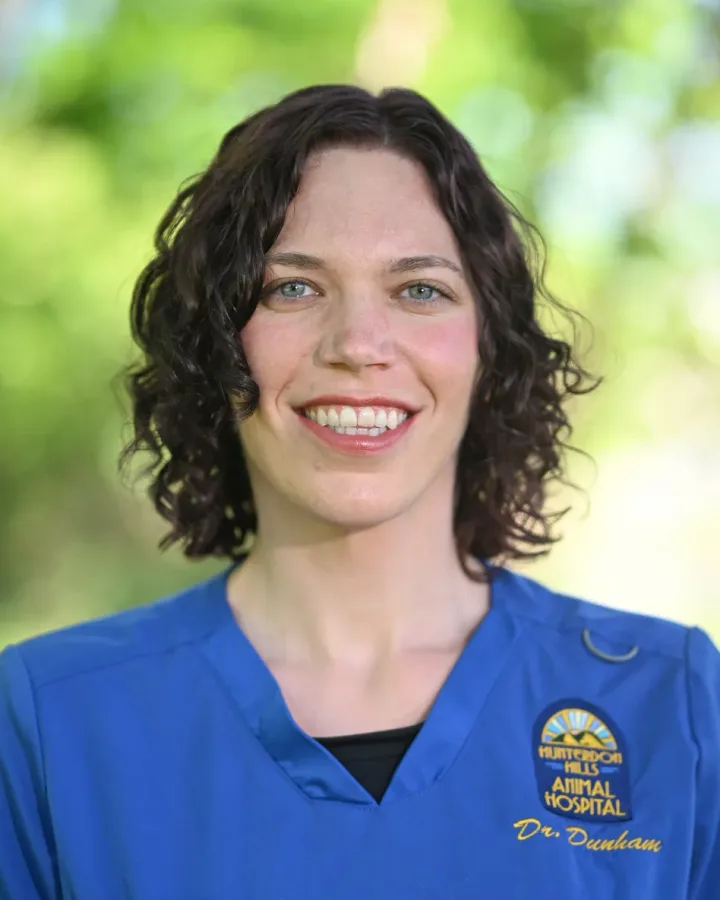
Dr. Kelly Dunham
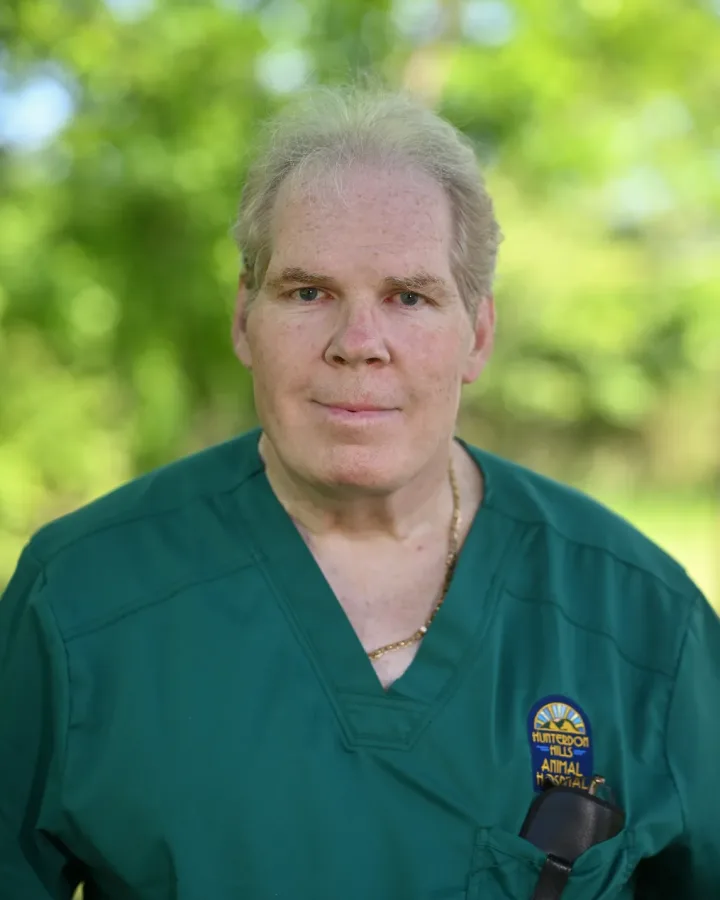
Dr. Mark Steckroat
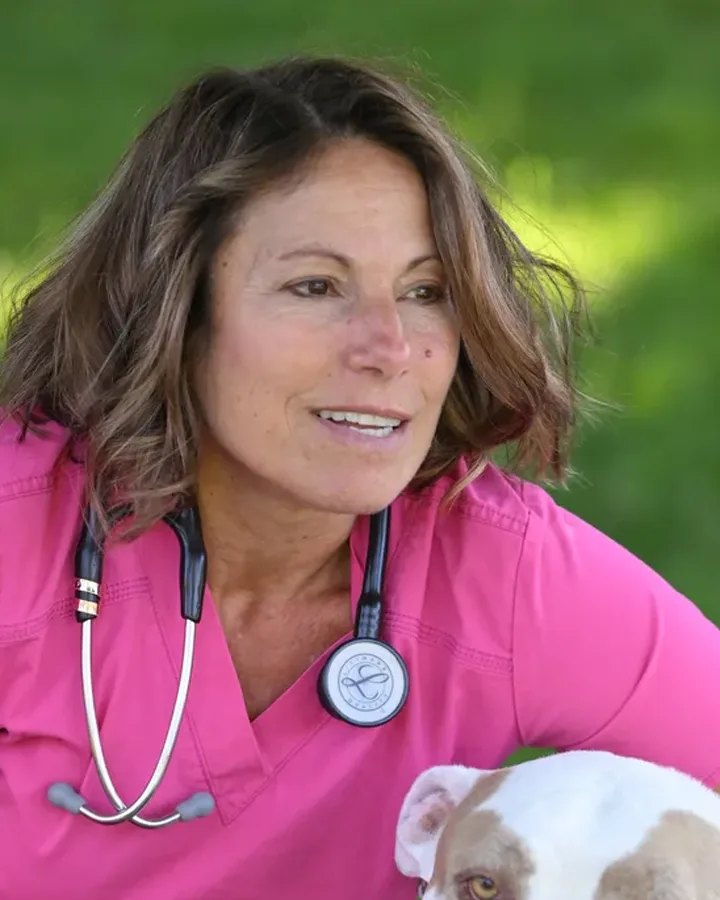
Dr. Carole Zydiak

Dr. Jennifer Evanowski
Wellness care close to home
Hunterdon Hills Animal Hospital is at 411 US Highway 22 East, Whitehouse Station, NJ 08889, a short drive from Whitehouse, Readington, Lebanon, Three Bridges, Oldwick, Tewksbury, Branchburg, Flemington and Bridgewater.
Monday - Thursday: 8:00AM - 6:00PM
Friday: 8:00AM - 5:00PM
Saturday and Sunday: 8:00AM - 4:00PM
Open Saturday and Sunday 8 AM to 4 PM. Saturday is a full appointment day; Sunday is for urgent care and sick visits.
Wellness exam questions
How much does a pet wellness exam cost?
The exam fee covers your veterinarian's examination and consultation. The rest depends on what your pet is due for: vaccines, the annual heartworm and tick screen, a fecal test, and annual wellness blood work. We provide an itemized estimate before doing anything beyond the exam. Call or text (908) 534-2321 and we can give you an idea of what your pet is likely to need.
Does my indoor cat really need a yearly exam?
Yes. Indoor cats still develop dental disease, kidney disease, hyperthyroidism, obesity and arthritis, and cats hide all of them until they are advanced. The annual exam and yearly blood work are often the only way these are found early. Rabies vaccination is also recommended for indoor cats, since bats do get into houses.
Why do you recommend blood work every year if my pet seems healthy?
Because much of what it finds does not show on the outside at first. Yearly wellness blood work gives us a baseline of what is normal for your pet and catches problems earlier, such as kidney disease, endocrine diseases like thyroid disease, diabetes and Cushing's disease, infections and liver disease, often before your pet shows any sign at home. It is collected at the same visit as the heartworm, tick-borne disease and fecal tests.
What should I bring to the appointment?
A fresh stool sample if you can, a list of any medications and supplements your pet takes including the flea, tick and heartworm products you use, the brand and amount of food they eat, and records from previous veterinarians if this is your first visit with us. A short phone video of anything you have noticed at home is often more useful than a description.
Is a wellness exam the same as a vaccine appointment?
Vaccines are given during a wellness exam, but the exam is the point. A vaccine visit without an examination misses the lump, the heart murmur or the sore tooth that the vaccine has nothing to do with. Our veterinarians examine your pet before administering any vaccine.
My pet seems perfectly healthy. Can I skip a year?
We would rather you did not, particularly for pets over seven. The value of a wellness exam is highest exactly when your pet seems fine, because that is when a problem is small enough to fix easily. It is also when we record the normal weight, blood values and dental grade that let us recognize an abnormal one later.
Which vaccines does my pet actually need?
Core vaccines, rabies and the distemper-parvovirus combination for dogs and rabies and FVRCP for cats, are recommended for every pet, and rabies vaccination is required for dog licensing in New Jersey. Lifestyle vaccines such as Lyme, leptospirosis, Bordetella, canine influenza and feline leukemia depend on where your pet goes and what they are exposed to. Your veterinarian will build a schedule for your individual pet rather than a standard list.
Can I book a wellness exam on a Saturday?
Yes. Saturday is a full appointment day at Hunterdon Hills, 8 AM to 4 PM, for wellness exams, vaccines and routine care. Saturdays fill quickly, so book ahead. Sunday hours are for urgent care and sick visits.
Do you see rabbits, guinea pigs or chickens for wellness care?
We see backyard chickens and goats. For rabbits, guinea pigs and other small pets, call us to check availability before booking.
Care that works together
Part of the Symbios network
A family of 6 neighborhood animal hospitals across New Jersey, every one 100% independently and family owned. Each is rooted in its own community and run by its own doctors and front desk team, with colleagues across the family comparing notes behind the scenes. Specialists, extended weekend hours, and shared records are all just down the road.
The personal touch of your neighborhood hospital, with a whole family of doctors behind it.
Ready to book a wellness exam?
Call or text us, or book online through the client portal. Weekday evenings and Saturdays are both available. New clients are welcome.