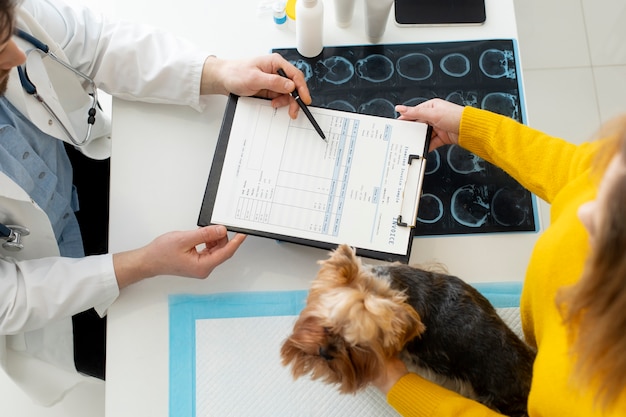
Allergies to Pets: Symptoms Every Owner Should Know


Allergies to Pets: Symptoms Every Owner Should Know
Sharing your home with a furry companion brings endless joy, but for many pet owners in Whitehouse Station and surrounding communities, it can also mean dealing with unexpected allergy symptoms. If you find yourself sneezing, dealing with itchy eyes, or feeling congested more often, you may wonder if your pet is part of the problem. At Hunterdon Hills Animal Hospital, our veterinary team understands how allergies to pets symptoms can affect your daily life, especially when you want nothing more than to enjoy quality time with your beloved dog or cat. In this blog, we will explore the most common signs of pet allergies, discuss why they happen, and share expert guidance on managing allergies in Central New Jersey homes. We’ll also explain when it’s time to consult your veterinarian and how our team at 411 US Highway 22 East, Whitehouse Station, NJ 08889 can help you find relief. If you are concerned your allergy symptoms could be linked to your pet, you are not alone, and we are here to help.
Recognizing Allergies to Pets Symptoms: What Should You Watch For?
Pet allergies can show up in subtle and sometimes confusing ways. Many pet owners first notice increased sneezing, runny nose, or a scratchy throat after spending time with their animal. Classic allergies to pets symptoms also include watery, itchy eyes, nasal congestion, coughing, or postnasal drip. Some people may experience facial pressure, headaches, or even fatigue that seems to worsen when their pet is nearby. Skin reactions are also possible; these may present as red, itchy patches or hives, especially where a pet has licked or touched the skin.
In some cases, allergies to pets symptoms can mimic the common cold, making it difficult to distinguish between seasonal illness and a reaction to your cat or dog. If you notice symptoms that return whenever you are at home or intensify after interacting with your pet, it’s worth considering an allergy as the underlying cause. Children may experience similar symptoms, and in rare cases, pets can even trigger asthma attacks in sensitive individuals. Recognizing these patterns is the first step toward taking control of your health and ensuring that you and your pet can continue to share a happy, healthy home.
Why Do Pet Allergies Develop? Understanding the Causes
It’s common to assume that pet hair is to blame for allergy symptoms, but the true culprit is usually the proteins found in animal saliva, dander (tiny skin flakes), and urine. When pets groom themselves, these proteins stick to their fur and become airborne as the animal moves through your home. These microscopic particles can linger in the air, settle on furniture, carpets, and bedding, and be easily inhaled. Over time, your immune system may become sensitized to these proteins and overreact by releasing histamines, leading to the classic symptoms associated with pet allergies.
Certain breeds and individual animals may produce more allergenic proteins than others, but there is no truly hypoallergenic pet. Environmental factors also play a role; for example, homes with poor ventilation or high humidity can trap allergens, making symptoms worse. Additionally, living in a region like Central New Jersey, where seasonal pollen counts may already be high, can compound allergy problems and make it more challenging to pinpoint the source.
It’s important to note that allergies can develop at any age. Some people who have lived with pets for years may suddenly become sensitive, while others might notice symptoms after bringing home a new puppy or kitten. Understanding the root causes can help you make informed decisions about managing your environment and caring for your pet.
Managing Allergies to Pets Symptoms: Veterinary Guidance and Home Strategies
If you suspect you are experiencing allergies to pets symptoms, there are several steps you can take to minimize discomfort without giving up your beloved companion. The first recommendation is often to reduce allergen exposure within your home. This involves regular bathing and grooming of your pet, as well as frequent vacuuming and cleaning of surfaces where dander may accumulate. Using high-efficiency particulate air (HEPA) filters in your heating and cooling systems can help capture airborne allergens and improve indoor air quality. Designating certain areas of your home, such as the bedroom, as pet-free zones can also provide relief.
Personal hygiene plays a crucial role as well. Washing your hands after handling your pet and changing clothes after extended snuggle sessions can prevent allergens from spreading. For those with persistent symptoms, over-the-counter antihistamines or nasal sprays may offer temporary relief; however, it’s essential to discuss any medications with your healthcare provider to ensure they are safe and appropriate for your situation.
When these home strategies are not enough, or if your symptoms worsen, seeking professional support is the next best step. At Hunterdon Hills Animal Hospital, our veterinarians can guide you in managing the health of your pet to reduce allergen production and provide advice on environmental modifications. For those interested in pinpointing specific allergies, our veterinary team offers allergy testing services for pets, which can help identify if your pet is experiencing allergies themselves. While this does not directly diagnose human allergies, it can support a comprehensive approach to home health, especially if your pet is also showing signs of skin irritation or itching.
Preventing Allergy Flare-Ups: Practical Steps for a Happier Household
Consistent and proactive care makes a significant difference in controlling pet allergies. Routine veterinary visits ensure your pet’s skin and coat remain healthy, reducing the potential for excessive dander. Regular grooming with a high-quality brush and bathing your pet with veterinarian-approved shampoos can further minimize allergen buildup. Keeping your home’s humidity in check with a dehumidifier and ensuring good ventilation can deter allergens from accumulating.
For families with children or individuals with asthma, it is especially important to monitor environmental factors. Washing pet bedding, toys, and blankets in hot water can help eliminate lingering allergens. Additionally, maintaining a clutter-free environment and opting for hard-surface flooring instead of carpets can make cleaning easier and reduce places for dander to hide.
Remember that every household is unique. Some pet owners find significant relief from small changes, while others may need to combine several strategies for the best results. Our veterinary professionals are here to help you develop a personalized plan that keeps both you and your pet comfortable.
When to Seek Veterinary Care: Knowing When Professional Help Is Needed
Sometimes, allergies to pets symptoms persist despite your best efforts. If you notice ongoing congestion, breathing difficulties, or skin reactions that interfere with your daily activities, it’s time to consult with your healthcare provider or an allergist. For children, any sign of wheezing, shortness of breath, or frequent asthma attacks requires immediate medical attention.
From your pet’s perspective, symptoms like excessive scratching, hair loss, red or inflamed skin, or recurring ear infections may indicate they are struggling with their own allergies. This is especially important to address in regions like Central New Jersey, where environmental allergens can fluctuate with the seasons. Our veterinarians can perform a thorough examination and recommend diagnostic options, including allergy testing for pets, to support your pet’s health and comfort.
If you are unsure whether your symptoms are related to your pet, keeping a journal of your experiences and noting when they occur can help distinguish patterns. Open communication with your healthcare provider and your veterinary team is key to managing allergies successfully. Early intervention can make a world of difference, both for your wellbeing and your pet’s happiness.
Take Charge of Allergies: Support for Every Pet Owner in Central New Jersey
No one should have to choose between their health and their beloved pet. At Hunterdon Hills Animal Hospital, our veterinarians are dedicated to supporting families throughout Whitehouse Station and nearby communities in managing allergies to pets symptoms with compassion and expertise. Whether you need guidance on minimizing allergen exposure, support in maintaining your pet’s health, or information about allergy testing for pets, we are here to help.
If you are searching online for a "vet near me" who understands the unique challenges of pet allergies in Central New Jersey, our veterinary team is ready to partner with you. Schedule an appointment at 411 US Highway 22 East, Whitehouse Station, NJ 08889 by calling (908) 923-7728, and let us help you create a healthier, more comfortable environment for everyone in your home. Your comfort matters to us, and together, we can ensure that the bond between you and your pet remains strong, even in the face of allergies to pets symptoms.
This blog is intended for informational purposes only and should not be used as a substitute for professional medical advice. If you have concerns about your health or your pet’s wellbeing, please consult a qualified healthcare provider or veterinarian.