
Dental Health Tips for Pets This February in NJ

Dental Health Tips for Pets This February in NJ
February is National Pet Dental Health Month, offering a timely reminder for pet owners throughout Whitehouse Station and the surrounding communities to pay extra attention to their pet’s oral hygiene. At Hunterdon Hills Animal Hospital, located at 411 US Highway 22 East, Whitehouse Station, NJ 08889, our veterinary team is dedicated to helping you keep your dog, cat, or small mammal’s teeth and gums healthy all year round. In this blog, we will discuss how to recognize signs of dental problems, explore what causes them, share professional treatment options, and provide home care tips for optimal dental health. If you’re wondering when to seek veterinary care for your pet’s mouth, you’ll also find helpful guidelines and next steps from our experienced veterinarians.
Whether your companion needs a dental checkup, professional cleaning, or you just want to ensure you’re following best practices at home, this guide will help you prioritize your pet’s dental health during the winter months and beyond.
Recognizing Dental Problems in Your Pet
Dental disease is one of the most common health issues that affects pets, yet it often goes unnoticed until it causes discomfort or more serious problems. Being able to spot early warning signs can make a significant difference in your pet’s quality of life. Common symptoms of dental trouble include persistent bad breath, visible tartar buildup on the teeth, red or swollen gums, and reluctance to eat hard food or chew toys. Some pets may begin dropping food from their mouth, pawing at their face, or displaying irritability when their mouth is touched. In more advanced cases, you might notice bleeding gums, loose or missing teeth, or even swelling along the jaw or beneath the eyes.
Cats, dogs, and small mammals can all develop dental issues, but some signs may be subtler in certain species. For example, rabbits and guinea pigs may have difficulty chewing hay or show changes in their droppings due to oral discomfort. If you observe any of these changes, it is important to reach out for a wellness examination, as dental disease can progress quickly. Left untreated, dental infections can even spread to the heart, liver, or kidneys.
Why Do Pets Develop Dental Problems?
Just like humans, pets are susceptible to dental disease due to a combination of factors. The most common condition is periodontal disease, which begins when bacteria in the mouth combine with food particles to form plaque on the teeth. If this plaque is not removed through regular brushing or professional cleanings, it hardens into tartar, leading to inflammation of the gums and, eventually, infection of the tooth and surrounding bone.
Breed, age, and diet all play a role in your pet’s dental health. Small breed dogs and certain cat breeds may be more prone to tartar buildup and gum disease. Older pets are also at increased risk, as years of plaque accumulation can take a toll on their oral health. Diets that rely solely on soft food or lack appropriate chewing opportunities can contribute to dental problems, as natural chewing can help remove some of the plaque from the teeth. Genetics, immune system health, and underlying medical conditions can also influence a pet’s predisposition to dental disease.
In the winter months here in New Jersey, pets may be less inclined to chew on harder outdoor toys or bones, and some owners might become less vigilant about daily routines due to busier schedules or cold weather. This makes February an ideal time to check in on your pet’s mouth and ensure their dental care is up to date.
Professional Dental Treatment and What to Expect
If your pet is showing signs of dental disease, or if it has been more than a year since their last dental checkup, scheduling a visit with your veterinarian is the best next step. During a dental assessment at Hunterdon Hills Animal Hospital, our veterinary professionals will examine your pet’s mouth for tartar, gingivitis, loose teeth, and other abnormalities. In many cases, we recommend pet dental cleanings, which are performed under anesthesia to allow for thorough scaling and polishing above and below the gumline.
When deeper issues are suspected, dental radiographs may be used to detect problems hidden beneath the surface, such as root abscesses or bone loss. Depending on the severity of the dental disease, treatment may involve dental repair to restore damaged teeth or tooth extractions if the tooth is beyond saving. These procedures are performed with the utmost care to minimize discomfort and promote a smooth recovery.
Our veterinarians will discuss all available treatment options with you and provide a tailored plan to address your pet’s unique needs. Following dental procedures, most pets recover quickly and are noticeably more comfortable, with improved appetite and energy levels.
Home Care: Preventing Dental Disease in Your Pet
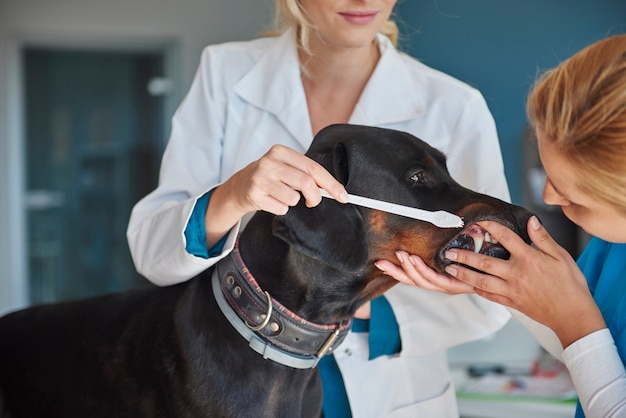
While professional cleanings are essential, regular home care is the cornerstone of lifelong dental health. Brushing your pet’s teeth daily, or as often as possible, is the most effective way to prevent plaque and tartar buildup. Specially formulated pet toothpastes are available in flavors that appeal to pets and are safe to swallow. If your pet is new to toothbrushing, start by gently lifting their lips and allowing them to lick the toothpaste off your finger, gradually introducing a pet toothbrush over several days.
In addition to brushing, dental chews and treats that are approved by the Veterinary Oral Health Council can help reduce plaque. Offering appropriate chew toys, especially for dogs and small mammals, provides a natural way to scrape away debris. For cats and pets who resist brushing, dental diets or oral rinses may be recommended as part of a preventive plan.
It’s also important to include dental health checks as part of your pet’s regular wellness care visits. During these appointments, our veterinary team will assess your pet’s teeth and gums and offer guidance tailored to their specific needs, including tips for making at-home care easier.
When Should You Seek Veterinary Dental Care?
If you notice any signs of pain, swelling, bleeding, or changes in eating habits, it is time to schedule an appointment with your veterinarian. Dental problems can advance quickly and are often more painful than pets let on. Prompt attention can prevent the need for more extensive procedures and can protect your pet from serious complications.
Annual dental checkups are recommended for most pets, but some may benefit from more frequent monitoring, especially if they have a history of dental disease or belong to a higher-risk breed. Even if your pet seems comfortable, regular professional cleanings and assessments are key to catching issues before they become advanced.
Remember that dental X-rays and thorough cleanings under anesthesia are only available through your veterinarian; at-home care, while important, cannot replace the need for professional evaluation and treatment.
If you are searching for a veterinarian near me who is experienced in pet dental health, our Whitehouse Station veterinary team is here to help your pet smile with confidence.
Prioritizing Your Pet’s Dental Health: Next Steps
As February highlights the importance of dental care for pets, there’s no better time to evaluate your pet’s oral health and take proactive steps to keep their mouth healthy. Brushing, offering dental chews, and scheduling routine checkups all contribute to a happier, healthier pet. If you have questions or concerns about your pet’s teeth, or if you are due for a dental cleaning, we invite you to reach out to Hunterdon Hills Animal Hospital.
Our veterinary professionals are committed to supporting your pet’s total wellbeing, from preventive care to advanced dental treatments. To schedule a dental health assessment or to learn more about our pet dental cleanings and other dental services, call us at (908) 923-7728 or visit us at 411 US Highway 22 East, Whitehouse Station, NJ 08889. Let’s work together to protect your companion’s smile this winter and throughout the year.
For additional resources on pet dental health, visit the American Veterinary Dental College website. Always consult your veterinarian for personalized advice regarding your pet’s dental care.


