Springtime Hoof and Foot Care for Small Ruminants in Central NJ
Spring in Hunterdon County brings longer days, greener pastures, and for many sheep and goat owners, a fresh set of challenges for hoof health. If you manage a flock or herd in central New Jersey, you know that April’s rain and fluctuating temperatures can turn dry paddocks into muddy patches almost overnight. These wet, variable conditions create the perfect environment for hoof and foot problems to emerge in small ruminants, impacting not just individual animal comfort but the overall productivity of your operation. At Hunterdon Hills Animal Hospital, located at 411 US Highway 22 East, Whitehouse Station, NJ 08889, our veterinary team is dedicated to helping producers and small livestock owners maintain healthy herds through every season. In this guide, we will discuss the signs of springtime hoof issues, what causes these problems, how to treat and manage them, and how a proactive approach to hoof care can keep your sheep or goats thriving throughout the wet months.
Whether you are new to small ruminant care or a seasoned producer, understanding the essentials of hoof health is vital. Regular evaluation, proper prevention, and timely treatment can prevent minor issues from turning into costly problems. Read on to learn how you can protect your herd and when it’s time to schedule a visit with the veterinary professionals at Hunterdon Hills Animal Hospital.
Recognizing Hoof and Foot Problems in Sheep and Goats
Spotting hoof problems early can make a significant difference in the outcome for your sheep or goats. Spring’s wet pastures and muddy bedding can quickly lead to conditions such as foot rot, foot scald, and hoof abscesses. Common signs that a member of your herd may be experiencing hoof trouble include visible lameness, reluctance to walk or rise, and shifting weight away from a sore foot. You may notice swelling around the hoof, a foul odor, or heat at the coronary band. Some animals may graze or feed less, fall behind the flock, or spend more time lying down.
In mild cases, hoof overgrowth or minor cracks may be visible during routine checks. More severe conditions often result in noticeable discharge, separation of the hoof wall, or even loss of a hoof if left untreated. Producers should be vigilant for these warning signs, especially after several days of rain or when pastures remain damp. Early recognition is your best tool for preventing long-term lameness and maintaining the productivity and welfare of your operation.
Why Spring Weather Increases Hoof Problems
Understanding the underlying causes of hoof and foot issues in small ruminants can help producers take effective preventive measures. In central New Jersey, spring brings cycles of wet and dry weather that create ideal conditions for bacteria and fungi to thrive in the soil and bedding. Extended periods of moisture soften the hoof horn, making it more susceptible to damage, splitting, and invasion by disease-causing organisms.
Foot rot, a highly contagious bacterial infection, is a common problem during this season. It often develops when the hoof’s protective barrier is compromised, allowing bacteria such as Dichelobacter nodosus and Fusobacterium necrophorum to invade. Foot scald, a milder irritation of the skin between the toes, can precede or accompany foot rot, especially in flocks grazing wet, lush grass. Additionally, constant moisture can lead to hoof overgrowth as the tissue becomes softer and less likely to wear down naturally on pasture.
Other contributing factors include poor pasture drainage, accumulated manure in bedding areas, and infrequent hoof trimming. Genetics and nutrition also play a role; some breeds are more prone to foot problems, and diets lacking essential minerals can weaken hoof structure, increasing susceptibility to disease.
Treatment and Management of Hoof and Foot Issues
When hoof problems arise, prompt action is essential to minimize pain, speed recovery, and prevent the spread of infectious conditions. Treatment approaches depend on the specific issue and its severity. For mild cases of hoof overgrowth or superficial cracks, careful trimming to restore proper hoof shape and remove damaged tissue is often effective. When infection is present, such as in cases of foot rot or abscesses, treatment may involve thorough cleaning, removal of necrotic tissue, and application of topical antibacterial or antiseptic agents.
For persistent or severe cases, systemic antibiotics prescribed by your veterinarian may be necessary. Animals with advanced foot rot might require isolation from the rest of the herd to prevent the infection from spreading. In some situations, foot baths containing zinc sulfate or copper sulfate can be used as part of a treatment program, but these should be administered under the guidance of your veterinary team to ensure both animal safety and environmental stewardship.
At Hunterdon Hills Animal Hospital, our veterinarians can provide comprehensive hoof evaluations, develop tailored treatment plans, and perform necessary procedures to address lameness and infection. Regular veterinary visits help catch subtle issues before they escalate, ensuring your herd maintains optimal mobility and productivity. When needed, our team can also help you address urgent concerns; if a member of your herd is suddenly unable to stand or walk, immediate evaluation is warranted.
Preventive Hoof Care for a Healthy Herd
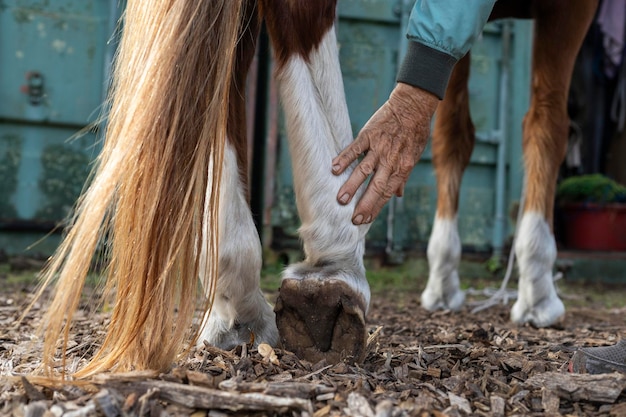
The best approach to hoof and foot problems is prevention. Routine hoof trimming, ideally every six to eight weeks during the wet spring months, helps maintain proper hoof shape and prevents overgrowth and trapping of mud or debris. Regular inspection of hooves allows you to spot minor cracks or early signs of disease, making it easier to intervene before problems become severe.
Good pasture management is another cornerstone of prevention. Rotating grazing areas reduces animal exposure to wet, contaminated ground, while improving drainage in high-traffic areas can limit mud accumulation. Providing dry bedding and clean shelter encourages animals to rest on clean, dry surfaces, reducing the risk of infection.
Nutrition should not be overlooked; a balanced diet rich in essential minerals such as zinc, copper, and biotin supports hoof strength and resilience. When introducing new animals to your flock or herd, quarantining them for at least two weeks minimizes the risk of bringing in contagious hoof diseases.
Working closely with your veterinary professionals is invaluable for developing a herd health program tailored to the specific needs of your operation. At Hunterdon Hills Animal Hospital, our team can advise on vaccination protocols, nutritional adjustments, and biosecurity measures, as well as provide guidance on routine and preventive care. For more information about building an effective preventive care routine for your animals, visit our page on wellness care for pets, including nutrition and preventative routines.
When to Call the Veterinarian
There are times when professional intervention is the best course of action for your herd’s health. If you notice persistent or severe lameness, swelling that does not resolve within a day or two, evidence of deep infection, or if multiple animals are affected at once, it is time to schedule an appointment with your veterinary team. Rapid weight loss, reluctance to stand or walk, or visible hoof detachment signal serious problems that require immediate attention.
Prompt veterinary care ensures that infections are correctly diagnosed and treated with the appropriate medications or procedures, reducing the risk of chronic issues or the spread of disease throughout your operation. Our veterinary team at Hunterdon Hills Animal Hospital is equipped to address urgent cases and help you develop long-term management strategies for your sheep and goats.
Do not attempt to treat severe hoof issues or administer medications without professional guidance, as incorrect treatment can worsen the problem or delay recovery. If you are unsure whether your animal’s condition requires veterinary attention, err on the side of caution and reach out for expert advice.
Supporting Your Herd with Local Veterinary Expertise
Springtime hoof and foot care is a vital component of herd health for sheep and goat producers in Whitehouse Station and surrounding communities. By staying vigilant for early signs of trouble, practicing regular trimming and inspection, and implementing effective pasture and nutrition management, you can help your animals thrive even in the face of New Jersey’s challenging spring weather. When problems do arise, timely and professional treatment is key to restoring mobility and preventing the spread of infectious conditions.
If you are searching for a veterinarian near me who understands the unique needs of small ruminants and offers comprehensive care, the veterinary professionals at Hunterdon Hills Animal Hospital are here to help. We encourage you to schedule an appointment for a hoof evaluation, herd health consultation, or any concern you may have about your animals. You can reach our team at (908) 923-7728 or visit us at 411 US Highway 22 East, Whitehouse Station, NJ 08889. For additional information on establishing the right preventive care routine for your sheep or goats, explore our wellness care services.
Protecting your herd’s hoof health this spring will pay dividends in animal comfort, productivity, and peace of mind throughout the year. Our veterinary team looks forward to being your trusted partner in maintaining the health and wellbeing of your sheep and goats.
Worried about something you read?
If any of this sounds like your pet, we're here to help.