How to Spot Early Signs of Hypothermia in Pets


How to Spot Early Signs of Hypothermia in Pets
As winter settles into Whitehouse Station and the chill deepens across Hunterdon County, pet owners often find themselves worrying about the safety and comfort of their animals during outdoor activities. At Hunterdon Hills Animal Hospital, we understand how much you care about your pets’ wellbeing, especially when temperatures drop. Recognizing the early signs of hypothermia in pets is crucial, whether you have a playful pup, a curious cat, or even small ruminants on your property. In this guide, we will help you learn what hypothermia in pets looks like, what causes it, and how you can protect your furry or hoofed companions from cold stress.
Our veterinary team at 411 US Highway 22 East, Whitehouse Station, NJ 08889 is committed to providing comprehensive veterinary services in Whitehouse Station and surrounding communities. If you are looking for a "vet near me" who truly understands local climate challenges and offers quality care, you are in the right place. Should you notice any early warning signs of cold stress in your animal, scheduling an appointment for a wellness examination can make all the difference. For more information on keeping your pet healthy year-round, you can visit our service page on wellness care exams.
Recognizing the Early Signs of Hypothermia in Pets
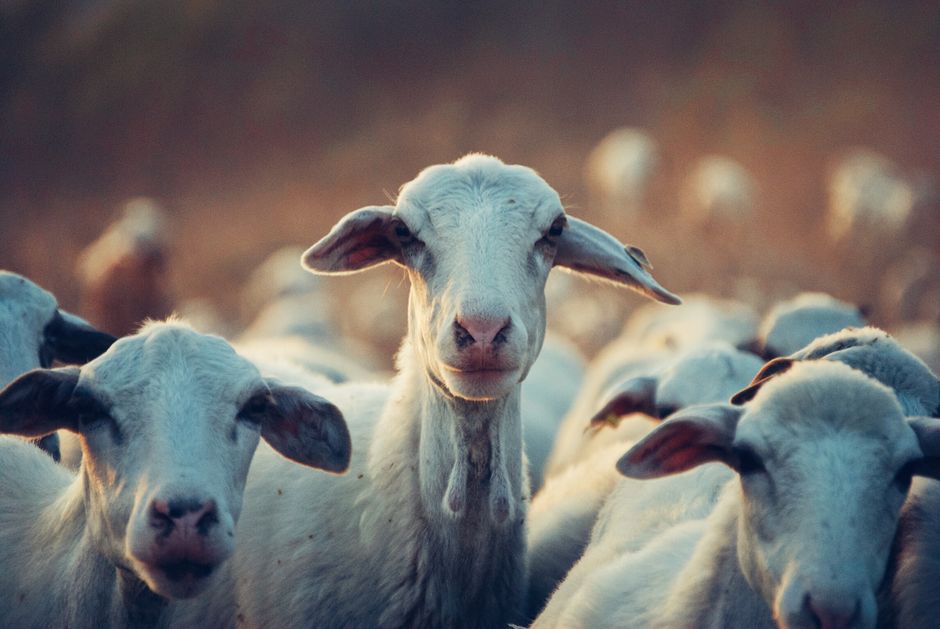
Spotting hypothermia in pets early is vital to prevent more serious health complications. In the cold months, hypothermia can develop faster than many pet owners realize, especially in young, elderly, or small-breed animals. You might notice your dog shivering uncontrollably after a brief walk, or your cat seeking unusual hiding places to escape drafts. For small ruminants, such as goats and sheep, the signs can be even more subtle.
Key symptoms of hypothermia in pets include persistent shivering, lethargy, and weakness. You may also observe your pet’s ears, paws, or tail feeling unusually cold to the touch. As hypothermia progresses, pets may become disoriented or have trouble walking; in severe cases, their breathing and heart rate may slow. In cats, you might notice a hunched posture or reluctance to move, while dogs may whine, seem anxious, or try to burrow for warmth. Small ruminants often display cold extremities, altered gait, or may isolate themselves from the group.
Recognizing these early signs of cold stress in animals is especially important for pet owners in Whitehouse Station and surrounding communities, where winter temperatures can dip quickly. If you suspect your pet is experiencing any of these symptoms, reaching out to a veterinary professional promptly is the best way to ensure their safety.
Why Does Hypothermia Occur in Pets?
Understanding why hypothermia in pets happens can help you better protect your animal companions during the winter season. Hypothermia occurs when a pet’s body temperature drops below the normal range due to prolonged exposure to cold temperatures, wet conditions, or wind chill. This can happen during outdoor walks, while playing in the snow, or if an animal is left outside without adequate shelter.
Some pets are at greater risk than others. Very young or elderly animals, those with thin or short coats, and pets with certain health conditions are more susceptible to hypothermia. Small ruminants can also be at risk if their bedding is damp or if they lack proper shelter from snow and cold winds. Additionally, pets who become wet—either from rain, snow, or bathing—are more likely to lose body heat quickly.
Environmental factors in Whitehouse Station and the broader Hunterdon County region, such as sudden temperature drops or heavy snowfall, can further increase the risk of cold stress in animals. Being aware of these contributing factors is an important step in prevention.
Treatment Options for Hypothermia in Pets
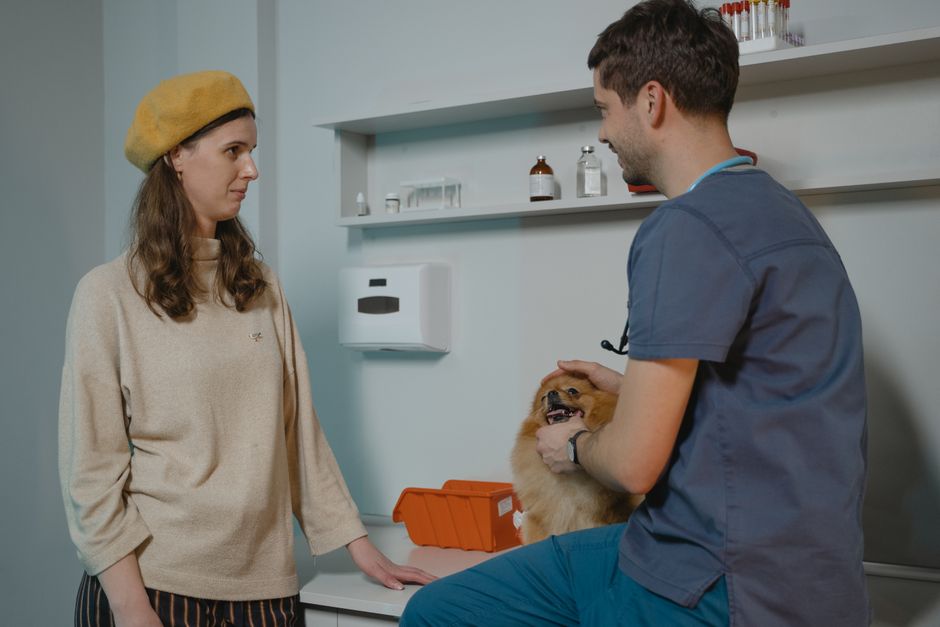
If you suspect your pet may be experiencing hypothermia, seeking professional veterinary care is essential. At Hunterdon Hills Animal Hospital, our veterinary team is equipped to provide comprehensive treatment for hypothermia in pets in Whitehouse Station and nearby areas.
Initial treatment approaches involve gently warming your pet. Veterinary professionals may use warming blankets, heating pads, and warm intravenous fluids to gradually raise your pet’s body temperature. Oxygen therapy may be provided if breathing is affected, and in some cases, monitoring for secondary complications such as pneumonia is necessary. Your pet’s heart rate, breathing, and temperature are closely monitored throughout the process to ensure a safe recovery.
For small ruminants, the treatment process may include providing warm, dry shelter, additional bedding, and gradual rewarming using safe heat sources. Veterinary guidance is crucial to avoid complications that can arise from warming too quickly or unevenly.
Our veterinary professionals will also assess for any underlying conditions or injuries that may have contributed to your pet’s vulnerability to cold. If you are looking for veterinary services near me that can assist with urgent care and ongoing health, our team provides thorough support for all aspects of your pet’s recovery. For more specifics on how we address urgent health concerns, including cold stress, you can learn more about our approach to timely urgent care visits.
Preventing Hypothermia and Cold Stress at Home
Prevention is always better than cure, and with a few practical steps, you can significantly reduce the risk of hypothermia in pets. During the colder months, limit your pet’s time outdoors, especially for breeds that are less tolerant of the cold. Outfitting dogs with well-fitted sweaters or coats can provide extra insulation, while cats should remain indoors whenever possible.
Ensure that small ruminants have access to shelter that is dry, draft-free, and lined with ample bedding. Regularly check water sources to prevent freezing and provide extra feed to help animals generate body heat. At home, keep your pets away from unheated areas, and pay special attention to senior pets and those with chronic health issues, as they are more prone to signs of cold stress in animals.
Monitor weather forecasts and adjust your pet’s routine accordingly. After outdoor activities, dry your pet thoroughly if they become wet, and always check their extremities for signs of chill. If you have questions about keeping your pet comfortable and safe during the winter, consider scheduling a wellness examination with our veterinarians to review your pet’s specific needs.
When to Seek Veterinary Care for Hypothermia
Knowing when to bring your pet to the veterinarian can be life-saving when dealing with hypothermia. If you observe persistent shivering, weakness, confusion, or if your pet becomes unresponsive, contact your veterinary clinic immediately. Slowed heart or breathing rate, pale or blue gums, and inability to stand are signs that your pet needs urgent attention.
Even mild symptoms of hypothermia in pets should prompt you to reach out to a veterinary professional, as early intervention can prevent more serious complications. If you are ever in doubt about your pet’s condition or need advice on managing cold stress, our team at Hunterdon Hills Animal Hospital is here to help. Scheduling an appointment as soon as you notice concerning signs ensures your pet receives timely and effective care.
For ongoing support and to keep your animal companions healthy year-round, our veterinary team recommends regular wellness care exams, which include personalized guidance on preventing cold-related health issues.
Keeping Your Pets Safe This Winter: Take Action Today
Protecting your pet from the dangers of hypothermia starts with awareness and proactive care. By recognizing the early signs of cold stress in animals and understanding the unique risks in Whitehouse Station and surrounding communities, you can keep your beloved companions safe, comfortable, and healthy through every season.
If you notice concerning symptoms or have questions about hypothermia in pets, do not wait—schedule an appointment with the veterinary team at Hunterdon Hills Animal Hospital. Our commitment to comprehensive veterinary services in Whitehouse Station means you can always count on experienced support, whether you need urgent care or preventive advice. Contact us at (908) 923-7728 or visit our 411 US Highway 22 East, Whitehouse Station, NJ 08889 location for compassionate, quality veterinary care. For pet owners searching for the best vet near me or for veterinary services near me that cover everything from wellness exams to urgent care, our team is always here to support your pet’s health—no matter the weather.
Medical Disclaimer: The information in this blog is for educational purposes only and should not replace professional veterinary consultation. If your pet is showing signs of hypothermia or any other illness, seek prompt evaluation by a veterinarian.