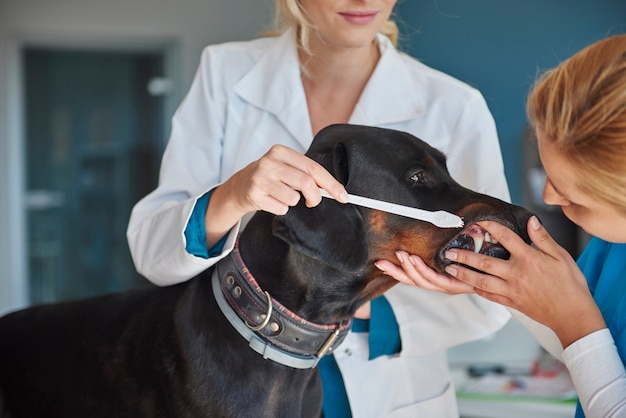
Recognizing Respiratory Issues in Pets: Signs and Solutions

Recognizing Respiratory Issues in Pets: Signs and Solutions
Breathing is something we often take for granted in our beloved pets, yet even the slightest cough, sneeze, or change in their breathing can be a sign of an underlying health issue. For pet owners in Whitehouse Station and surrounding communities, understanding how to recognize respiratory issues in pets is essential for safeguarding your companion’s health. At Hunterdon Hills Animal Hospital, located at 411 US Highway 22 East, Whitehouse Station, NJ 08889, our veterinary team is dedicated to providing comprehensive care and clear guidance for every stage of your pet’s life.
In this detailed guide, we will help you identify key symptoms of pet coughing and sneezing, explore the common causes of respiratory issues in pets, discuss the most effective treatment options available at a full-service veterinary clinic, and explain when it’s time to schedule an appointment with a quality vet near me. We will also highlight preventive steps and home care tips to keep your pet breathing easy. Throughout, you’ll discover how local veterinary services in Whitehouse Station can provide both immediate solutions and long-term respiratory health for your pet. If you’re ever in doubt, our wellness care exams offer a thorough way to address concerns before they escalate.
Spotting the Signs: How to Recognize Respiratory Issues in Pets
When your pet displays unusual breathing, coughs, or sneezes, it can be worrying. Knowing what to watch for can make all the difference in getting timely care. Respiratory issues in pets often show up through a range of symptoms that may be subtle at first but can quickly become more serious.
Key symptoms include persistent coughing, frequent sneezing, nasal discharge, noisy or labored breathing, and changes in the sound of your pet’s bark or meow. Additionally, you might notice your pet becoming lethargic, experiencing a loss of appetite, or struggling to exercise as they usually do. In some cases, pets may breathe with their mouth open, which is particularly unusual for cats and should prompt immediate attention.
Other warning signs are a bluish tint to the gums or tongue, which can indicate a lack of oxygen, or a sudden collapse during activity. These signs are especially concerning and require prompt professional evaluation. Even mild pet coughing and sneezing can signal early-stage infections or allergies, so it’s important not to dismiss them, particularly if they persist for more than a couple of days.
If you observe any of these symptoms in your pet, especially in our local climate where seasonal allergies and humidity can exacerbate respiratory conditions, it’s wise to consider scheduling a comprehensive pet exam in Whitehouse Station to rule out underlying issues.
Understanding Why: Common Causes of Respiratory Issues in Pets
Respiratory issues in pets can arise from a variety of causes, some of which are unique to different species or breeds. In regions like Whitehouse Station and Central New Jersey, seasonal shifts often contribute to allergic reactions, while other causes may be related to infectious diseases or structural problems in the airways.
Common causes include viral or bacterial infections such as kennel cough in dogs or feline upper respiratory infections in cats. These illnesses are frequently transmitted in environments where pets interact, like boarding facilities or parks. Allergies to pollen, dust, or mold are another frequent culprit, especially during spring and fall in our area.
Other factors include foreign objects lodged in the throat or nose, exposure to smoke or household chemicals, or underlying conditions such as heart disease. Certain breeds, particularly those with short noses like Bulldogs and Persians, are more susceptible to airway obstructions and breathing difficulties.
Structural problems such as laryngeal paralysis or collapsing trachea can also cause breathing difficulties, often seen through noisy or effortful breathing. In some cases, tumors or growths in the nasal passages or throat may lead to chronic respiratory issues. Recognizing these causes early gives your veterinarian the best chance to provide effective solutions for your pet.
Professional Solutions: Veterinary Treatments for Respiratory Issues
When it comes to treating respiratory issues in pets, the expertise of a full-service veterinary clinic makes a significant difference. At Hunterdon Hills Animal Hospital, our veterinary professionals offer a range of diagnostic and therapeutic services tailored to your pet’s needs.
Diagnostic approaches involve a thorough physical examination, listening to your pet’s chest, and, when necessary, advanced techniques such as digital radiology, pet diagnostic lab work, or specialized procedures like laryngeal function testing. For some pets, conditions like laryngeal paralysis may require advanced surgical intervention, and our clinic provides laryngeal paralysis surgery for pets with respiratory issues to address these cases.
Treatment options depend on the underlying cause. Bacterial infections may be managed with antibiotics, while allergies might involve antihistamines or adjustments to your pet’s environment. For structural problems, surgical repair, medication, or supportive therapies can restore comfortable breathing. For pets with more complex conditions, such as tumors or chronic airway diseases, our team provides ongoing management and support, helping you understand each step in your pet’s care plan.
It’s important to note that respiratory emergencies—such as sudden collapse, severe distress, or blue-tinged gums—require immediate veterinary attention. Our clinic is equipped to handle urgent situations, and we encourage you to reach out as soon as you notice any concerning symptoms.
Prevention and Home Care: Keeping Your Pet’s Airways Healthy
While not all respiratory issues can be prevented, proactive care goes a long way in reducing risks and supporting your pet’s long-term health. Scheduling regular wellness examinations in Whitehouse Station allows your veterinarian to catch early signs of illness and address them before they progress.
Practical steps include minimizing your pet’s exposure to smoke, harsh cleaning agents, and airborne irritants at home. Keeping your living spaces well-ventilated and using air purifiers can help, especially for pets prone to allergies. During allergy seasons, wiping your pet’s paws and coat after walks can reduce pollen exposure.
Staying up to date on vaccinations is another important preventive measure, as many respiratory infections can be minimized or prevented through routine immunizations. For pets with a history of respiratory issues, your veterinarian may recommend additional monitoring or lifestyle adjustments tailored to their specific needs. Managing your pet’s weight and encouraging moderate exercise also support respiratory health by reducing strain on the lungs and airways.
If your pet is already showing mild signs of pet coughing and sneezing, providing a calm, stress-free environment and ensuring they have access to fresh water can be helpful. However, these steps are supportive rather than curative, so professional evaluation remains essential for ongoing symptoms.
Knowing When to Seek Veterinary Help: Timing Is Everything
Recognizing when professional care is needed can mean the difference between a quick recovery and a more serious outcome. If your pet’s respiratory symptoms last more than a few days, if they worsen suddenly, or if you notice signs such as open-mouth breathing, difficulty breathing at rest, blue gums, or collapse, it is critical to schedule an appointment with a veterinarian near me right away.
For less urgent concerns—such as occasional coughing or sneezing that does not impact your pet’s energy or appetite—monitoring at home while keeping in touch with your veterinary clinic is reasonable. However, persistent or severe symptoms should never be ignored, as respiratory conditions can escalate quickly.
Our animal hospital prioritizes prompt care for all pets, and our urgent care services are available to address sudden health concerns that can’t wait for a routine appointment. When in doubt, our veterinary team is always available to advise whether your pet’s situation requires immediate attention or if a scheduled visit will suffice.
Conclusion: Protecting Your Pet’s Breath of Life
Every pet deserves the comfort and security that comes with healthy breathing. By recognizing the signs of respiratory issues in pets and understanding the importance of timely intervention, you’re taking an important step in safeguarding your companion’s health. Hunterdon Hills Animal Hospital is committed to delivering quality veterinary services near me, offering advanced diagnostics, compassionate care, and a trusted partnership for families in Whitehouse Station and surrounding communities.
If you’ve noticed pet coughing and sneezing or any changes in your pet’s breathing, don’t wait for symptoms to worsen. Schedule an appointment for a wellness care exam or reach out for urgent support. Our veterinary professionals are here to help your pet breathe easier and live healthier, every day.
For personalized guidance or to book your pet’s next checkup, call us at (908) 923-7728 or visit our conveniently located hospital at 411 US Highway 22 East, Whitehouse Station, NJ 08889. Your pet’s respiratory health is our priority, and we are honored to be your trusted choice for the best vet near me.
This article provides general information and is not a substitute for professional veterinary advice. Always consult with your veterinarian for specific concerns about your pet’s health. For more information on respiratory health in pets, visit the American Veterinary Medical Association at https://www.avma.org.