ACL Tear in Dogs: Signs, Treatment, and Recovery

ACL Tear in Dogs: Signs, Treatment, and Recovery
If your dog has suddenly developed a limp, is reluctant to put weight on a back leg, or seems less eager to play and go for walks, you may be facing one of the most common orthopedic issues in canine companions—an ACL tear. Also known as a cranial cruciate ligament (CCL) tear, this injury can affect dogs of any breed or age, leading to pain, lameness, and a significant decline in quality of life. At Hunterdon Hills Animal Hospital, located at 411 US Highway 22 East, Whitehouse Station, NJ 08889, our experienced veterinary team has helped countless families in Whitehouse Station and surrounding communities manage and recover from ACL tears in dogs. In this comprehensive guide, we will help you recognize the signs of this injury, understand why it happens, explore both surgical and non-surgical treatment options, and learn what to expect during your dog’s recovery. If you’re worried your dog may have suffered an ACL tear, read on to discover how our team can help restore your dog’s mobility and comfort.
Recognizing the Signs of an ACL Tear in Dogs
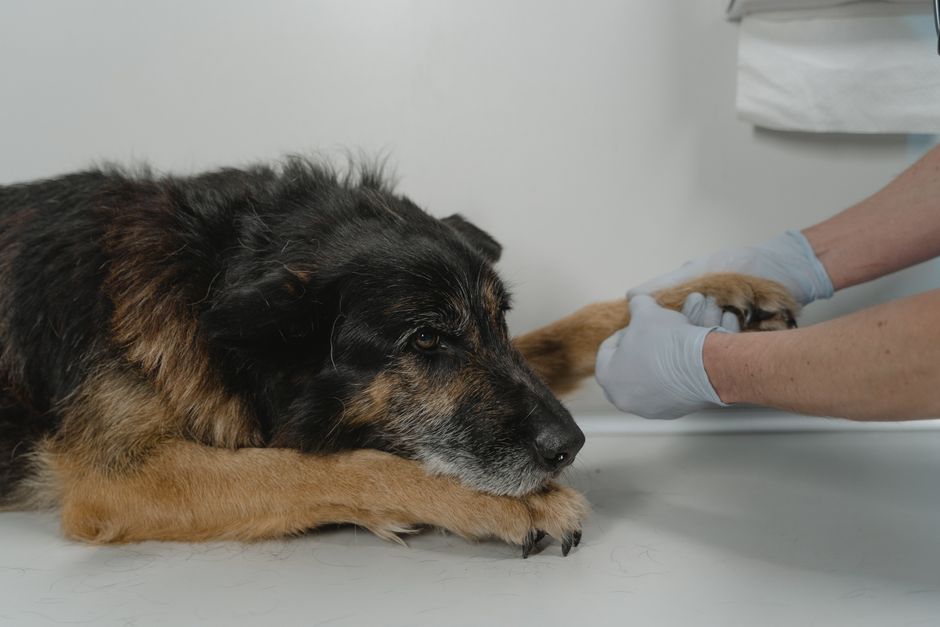
An ACL tear in dogs often presents with sudden, noticeable changes in mobility. The most common sign is limping or holding up a hind leg, especially after vigorous activity like running or jumping. Some dogs may only show subtle signs at first, such as being slower to get up from lying down, hesitating on stairs, or avoiding activities they previously enjoyed. In more severe cases, you might see your dog sitting with one leg extended to the side, or you may notice swelling around the knee joint.
Pain is a key symptom, and dogs often compensate by shifting their weight away from the injured limb. You may also observe stiffness after rest, decreased enthusiasm for play, or even vocalizing when the joint is touched. Over time, an untreated ACL tear can lead to muscle loss in the affected leg and the development of arthritis, making early recognition crucial for the best outcome.
If you notice any of these signs in your dog, it’s important to schedule an appointment with our veterinary team. Prompt evaluation allows us to diagnose the injury accurately and recommend the most effective treatment plan. For additional information about our orthopedic services, you can visit our orthopedic care page.
What Causes ACL Tears in Dogs?
The cranial cruciate ligament (CCL) in dogs is similar to the anterior cruciate ligament (ACL) in people, and it plays a vital role in stabilizing the knee joint. ACL tears in dogs can occur suddenly due to trauma, such as slipping while running or jumping awkwardly, but many cases result from gradual weakening of the ligament over time. Genetics, age, obesity, and certain conformational issues can all contribute to ligament degeneration, making some dogs more prone to this injury.
Large and active breeds, including Labradors, Golden Retrievers, and German Shepherds, are especially at risk, but ACL tears can also affect small breeds and mixed-breed dogs. Carrying excess weight puts additional stress on the joints, increasing the likelihood of injury. In some cases, dogs may partially tear the ligament, leading to intermittent lameness that worsens over weeks or months before a full rupture occurs.
Environmental factors can also play a role. Slippery floors in the home, rough play on uneven ground, or repetitive jumping (for example, getting on and off furniture) can all increase the risk. Understanding these contributing factors can help dog owners take preventive steps and recognize problems early.
Treatment Options for ACL Tears in Dogs
Managing an ACL tear in dogs requires a tailored approach based on your dog’s size, age, activity level, and the severity of the injury. At Hunterdon Hills Animal Hospital, our veterinarians will begin with a thorough orthopedic examination and may recommend diagnostic imaging to confirm the diagnosis and assess the extent of joint damage.
Surgical Repair: The Gold Standard
For most dogs, especially those weighing over 30 pounds or living an active lifestyle, surgery is considered the most effective way to restore function and minimize the risk of chronic pain and arthritis. Surgical techniques for ACL repair in dogs have advanced significantly, with options such as the lateral suture technique, tibial plateau leveling osteotomy (TPLO), and tibial tuberosity advancement (TTA) providing excellent outcomes for many patients.
The choice of surgical procedure depends on your dog’s unique needs, and our veterinary team will discuss the risks, benefits, and expected recovery time for each option. Surgical repair stabilizes the joint, reduces pain, and allows for a more reliable return to normal activity. For more details about our approach to ACL surgery, visit our ACL repair services page.
Non-Surgical Management
Not all dogs are ideal candidates for surgery. Small dogs, elderly pets, or those with other significant health issues may benefit from conservative management. This approach typically includes strict rest, controlled leash walks, anti-inflammatory medications, joint supplements, and, in some cases, physical rehabilitation. The goal is to reduce pain and inflammation, support joint stability, and prevent further injury. However, it’s important to understand that non-surgical management may not restore full function, and long-term arthritis is more likely.
Specialty Surgery for Complex Cases
In certain situations, such as when there is severe joint damage or concurrent orthopedic conditions, specialty surgical techniques may be recommended to achieve the best possible outcome. Our veterinary team is experienced in advanced procedures designed for complex cases, always prioritizing your dog’s safety and comfort. You can learn more about our specialized surgical capabilities by visiting our specialty surgery page.
What to Expect During Recovery
Recovery from an ACL tear in dogs varies depending on the treatment chosen, but patience and commitment are always required for the best outcome. After surgery, most dogs will need several weeks of restricted activity to allow healing. This means limiting exercise to short, controlled leash walks, preventing running or jumping, and providing a comfortable, non-slip resting area at home. Your veterinarian will schedule follow-up visits to monitor progress and adjust the rehabilitation plan as your dog heals.
Physical therapy, including gentle range-of-motion exercises and gradual strengthening activities, can greatly enhance recovery and help your dog regain mobility. Some dogs may benefit from modalities like therapeutic laser therapy, which can reduce inflammation and promote tissue repair. Pain management is a critical part of the recovery process, and our veterinary team will work with you to ensure your dog is as comfortable as possible during each stage.
For families managing a dog’s recovery at home, it’s important to follow all post-operative instructions closely, watch for any signs of complications, such as swelling, persistent pain, or reluctance to use the leg, and communicate any concerns with our team promptly.
Preventing ACL Tears and Supporting Joint Health
While not every ACL tear in dogs can be prevented, there are practical steps you can take to reduce your dog’s risk and support long-term joint health. Keeping your dog at a healthy weight is one of the most effective strategies, as excess pounds put additional stress on the joints. Regular, low-impact exercise—such as leash walks and swimming—helps maintain muscle strength and flexibility without overloading the knees.
Creating a safe environment at home is also important. Provide non-slip mats on slippery surfaces, limit access to stairs if your dog is prone to injury, and discourage activities that involve jumping on and off furniture. For some dogs, a joint supplement recommended by your veterinarian may help support cartilage health and decrease inflammation.
Routine wellness examinations are an excellent opportunity to discuss your dog’s mobility, identify early signs of joint disease, and develop a proactive plan for preventive care. Our veterinary team offers comprehensive wellness care for pets here in Whitehouse Station and can help you tailor a strategy that fits your dog’s lifestyle and needs.
When to Seek Veterinary Care for a Limping Dog
Any time your dog is limping, reluctant to use a limb, or showing signs of pain, it’s important to seek prompt veterinary attention. Sudden lameness, refusal to bear weight, or visible swelling around a joint are red flags for injuries like an ACL tear that require professional evaluation. Even if your dog seems only mildly affected, underlying ligament damage can worsen with continued activity and delay in treatment.
Our veterinarians have the expertise and diagnostic tools needed to determine the cause of your dog’s discomfort and recommend the most effective path forward. Early intervention often leads to better outcomes, less pain, and a quicker return to normal activity for your canine companion.
If you’re ever uncertain about your dog’s symptoms or whether an appointment is needed, don’t hesitate to call our veterinary team for guidance.
Supporting Your Dog’s Journey: Compassionate Care in Whitehouse Station
An ACL tear in dogs can be a stressful experience for both you and your canine companion, but with expert care and a dedicated recovery plan, most dogs can return to an active, happy life. At Hunterdon Hills Animal Hospital, we are committed to guiding you through each stage of your dog’s diagnosis, treatment, and rehabilitation. Whether your dog needs advanced orthopedic care, specialized surgery, or ongoing wellness support, our veterinary professionals are here to help.
If you’re searching for a trusted veterinarian near me, look no further than our experienced team at 411 US Highway 22 East, Whitehouse Station, NJ 08889. We encourage you to schedule an appointment if you suspect an ACL tear in your dog, have questions about your dog’s mobility, or simply want to learn more about maintaining joint health. Call us today at (908) 923-7728 or visit our website to discover how we can help your dog get back on their paws this season.
Medical Disclaimer: This article is for informational purposes only and should not be used as a substitute for professional veterinary advice, diagnosis, or treatment. Always consult your veterinarian for specific questions or concerns about your dog’s health.