Allergy Season Prep for Pets and Small Ruminants in NJ

Allergy Season Prep for Pets and Small Ruminants in NJ
Springtime in Central New Jersey is a beautiful period, but for many pets and small ruminants, it also marks the beginning of allergy season. As trees bud and pollen counts rise, both household companions like dogs and cats as well as small livestock such as goats and sheep can start to show signs of discomfort. At Hunterdon Hills Animal Hospital, located at 411 US Highway 22 East, Whitehouse Station, NJ 08889, our veterinary team understands how seasonal allergies can impact the daily lives of both pet owners and producers. Whether your dog is itching more than usual or you notice your goats sneezing in the barn, recognizing the signs of allergies early can make a significant difference in comfort and health. In this guide, we will explore the most common symptoms, causes, and management strategies for seasonal allergies in both pets and small ruminants, as well as offer practical prevention tips suited for our local climate.
Recognizing Allergy Symptoms in Pets and Small Ruminants
Identifying allergies in animals can be challenging because symptoms often mimic other health concerns. For dogs and cats, allergy season might trigger increased scratching, licking at their paws, watery eyes, or sneezing. Some pets may develop red, inflamed skin or chronic ear infections during high pollen periods. Cats, in particular, may become more withdrawn or overgroom in response to discomfort.
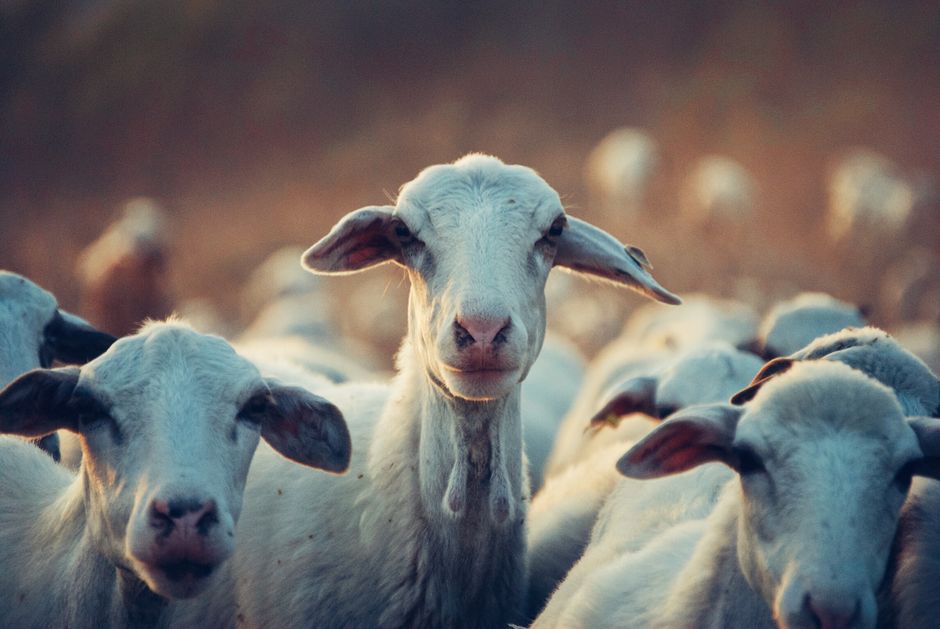
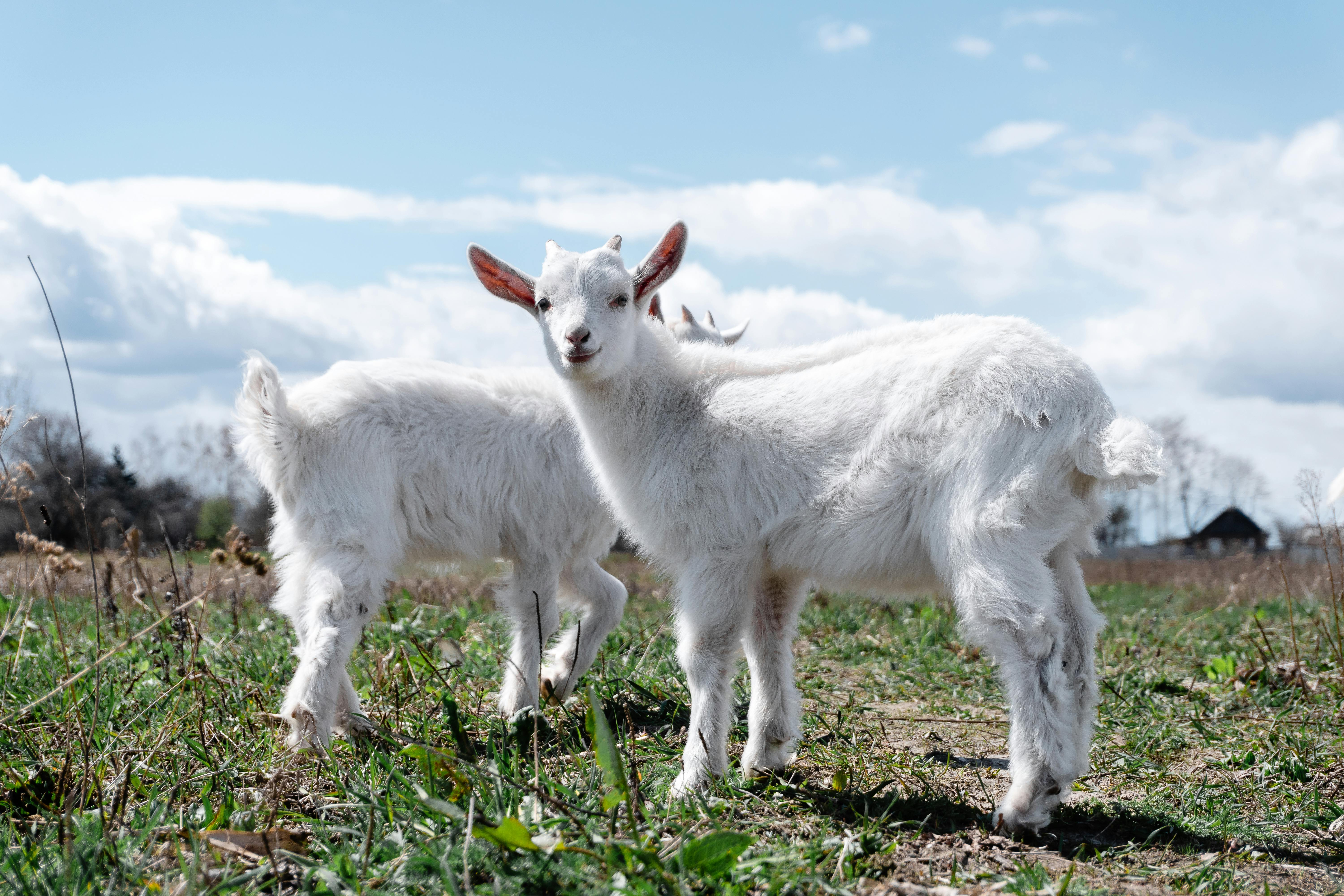
For small ruminants like goats and sheep, the signs can be more subtle but no less important. Animals may show frequent rubbing against posts or fences, hair loss in localized areas from repeated scratching, and occasional coughing or runny noses. In some cases, decreased appetite or a drop in milk production might be linked to allergic distress, especially when environmental triggers like freshly cut hay or blooming weeds are present.
Regardless of species, it's important to pay close attention to changes in behavior or appearance, especially if these changes coincide with the onset of spring. Early recognition allows for earlier intervention, which can help prevent secondary complications such as infections or severe skin lesions.
What Causes Seasonal Allergies in Central NJ Animals?
The primary drivers of springtime allergies in both pets and small ruminants are environmental allergens. In Central New Jersey, pollen from trees, grasses, and weeds peaks as temperatures rise, with certain plant species releasing high amounts of allergens throughout the season. Dogs and cats may react not only to pollen but also to mold spores, dust mites, and other airborne particles that are more prevalent during spring cleaning and increased outdoor activity.
For small ruminants, allergens are often encountered in the barn, pasture, or feed. Fresh grass, newly baled hay, and even bedding materials can introduce irritants that trigger skin and respiratory reactions. Goats and sheep grazing in lush spring pastures may be exposed to a wide variety of pollens and molds, increasing the risk of allergic symptoms. Additionally, changes in weather—such as sudden rain followed by warm days—can promote mold growth in animal housing and feed storage areas, further contributing to allergy risk.
Genetics also play a role, as some breeds and individual animals are more predisposed to allergic responses than others. Chronic exposure to certain allergens over time can sensitize animals, making symptoms more pronounced with each passing season.
Treatment and Management: How Our Veterinary Team Can Help
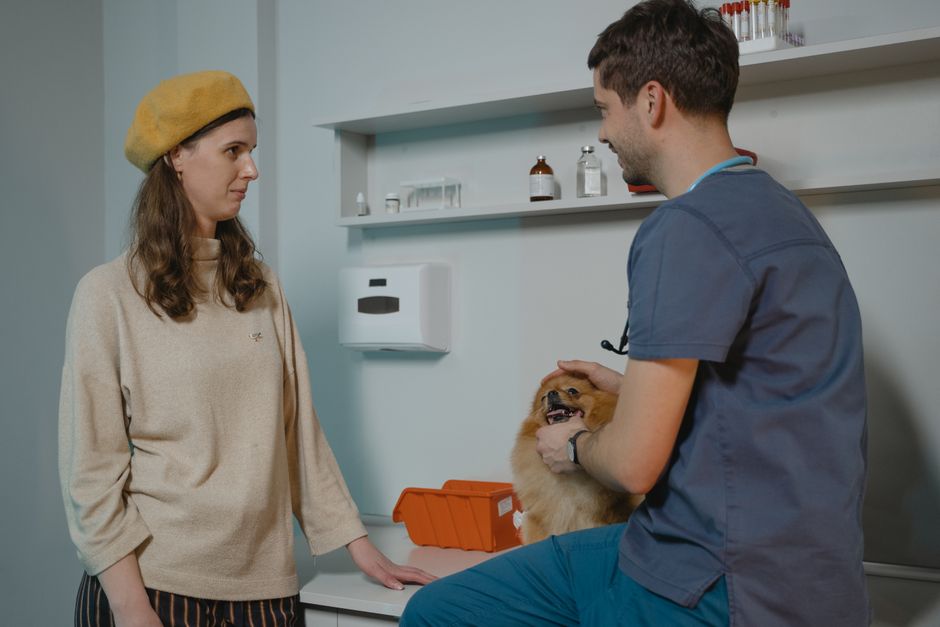
Professional management of allergies begins with a thorough examination. At Hunterdon Hills Animal Hospital, our veterinarians use a combination of history, physical assessment, and, when warranted, laboratory testing to pinpoint allergy triggers. For pets showing persistent symptoms, allergy testing services for pets can provide valuable insight into specific sensitivities, enabling a targeted approach to treatment.
Treatment options for dogs and cats often include medications to control itching and inflammation, such as antihistamines or corticosteroids, as well as topical therapies for skin irritation. In some cases, prescription diets or supplements may help strengthen the skin barrier and reduce allergic flare-ups. For chronic or severe cases, immunotherapy or allergy shots may be considered, with the goal of desensitizing the animal's immune system to troublesome allergens.
For small ruminants, treatment typically focuses on environmental management and symptomatic relief. Ensuring good ventilation in barns, frequently cleaning bedding, and providing high-quality, low-dust feed can minimize allergen exposure. Animals experiencing significant discomfort may benefit from veterinary-prescribed anti-inflammatory medications or topical treatments for skin lesions. In rare cases, more advanced interventions may be needed, especially if allergies lead to secondary infections or chronic respiratory problems.
Our veterinary professionals also educate owners and producers about ongoing monitoring and tailored management plans to help animals thrive during allergy season.
Prevention and Home/Farm Strategies: Making Allergy Season Easier
Preventing allergies entirely may not be possible, but there are many steps you can take to reduce your animals' exposure and risk. For pet owners, regularly bathing your dog with a gentle, hypoallergenic shampoo can help remove pollen and irritants from their coat. Wiping your pet's paws after walks, keeping windows closed during high pollen days, and using air purifiers indoors can further limit contact with allergens. Vacuuming frequently and washing bedding in hot water are other effective strategies for minimizing indoor allergen buildup.
Cat owners should pay attention to litter box cleanliness and consider using low-dust, unscented litter to reduce respiratory irritation. Encouraging indoor cats to remain inside during peak pollen times may also help sensitive individuals.
For producers managing small ruminants, controlling environmental allergens begins on the farm. Rotating pastures to avoid overgrazing, storing hay in a dry, well-ventilated area, and promptly removing wet or moldy bedding are essential practices. Monitoring for signs of mold growth, especially after heavy spring rains, helps prevent respiratory issues linked to spore inhalation. Providing shade and shelter during windy or high-pollen days can also reduce exposure for animals in open paddocks.
Regardless of species, maintaining routine veterinary care, including regular wellness care for pets, is an important part of allergy prevention and early detection. Our team can recommend parasite prevention, dietary adjustments, and environmental modifications based on your animal's unique needs and your property setup.
When Should You Seek Veterinary Care?
While some mild allergy symptoms can be managed at home or on the farm, there are times when professional intervention is crucial. If your pet or small ruminant develops persistent itching, open sores, hair loss, or shows signs of respiratory distress such as excessive coughing, wheezing, or labored breathing, prompt veterinary evaluation is needed. Recurrent ear infections, chronic watery eyes, or sudden changes in appetite and behavior also warrant a call to our clinic.
Producers should be especially vigilant if members of the herd or flock display decreased milk production, significant weight loss, or uncharacteristic lethargy during allergy season. These symptoms can indicate more serious underlying health problems that may be exacerbated by allergies.
Our veterinary team at Hunterdon Hills Animal Hospital is dedicated to helping animals in Whitehouse Station and surrounding communities breathe easier and stay healthy all year long. Early intervention can make a significant difference in both comfort and long-term wellbeing.
Supporting Both Pets and Producers in Central NJ
Navigating allergy season in Central New Jersey takes a proactive approach, whether you share your home with a dog or cat or manage a small herd of goats or sheep. By learning to recognize the signs of allergies, understanding local environmental triggers, and partnering with a trusted veterinary team, you can minimize discomfort and keep your animals thriving through spring and beyond.
If you have questions about allergy symptoms or need support preparing for the season ahead, our veterinary professionals are here to help. To schedule an appointment or discuss your animal's unique needs, contact Hunterdon Hills Animal Hospital at (908) 923-7728 or visit us at 411 US Highway 22 East, Whitehouse Station, NJ 08889. For ongoing wellness support, explore our comprehensive pet exam and preventive care options.
Whether you are searching for a veterinarian near me for your household pets or seeking advice for your livestock, our team is committed to providing compassionate, personalized care. Together, we can make allergy season more manageable and keep your animals comfortable all year long.
This blog is intended for informational purposes only and should not replace professional veterinary advice. If you suspect your animal is experiencing a medical emergency, contact your veterinarian immediately.