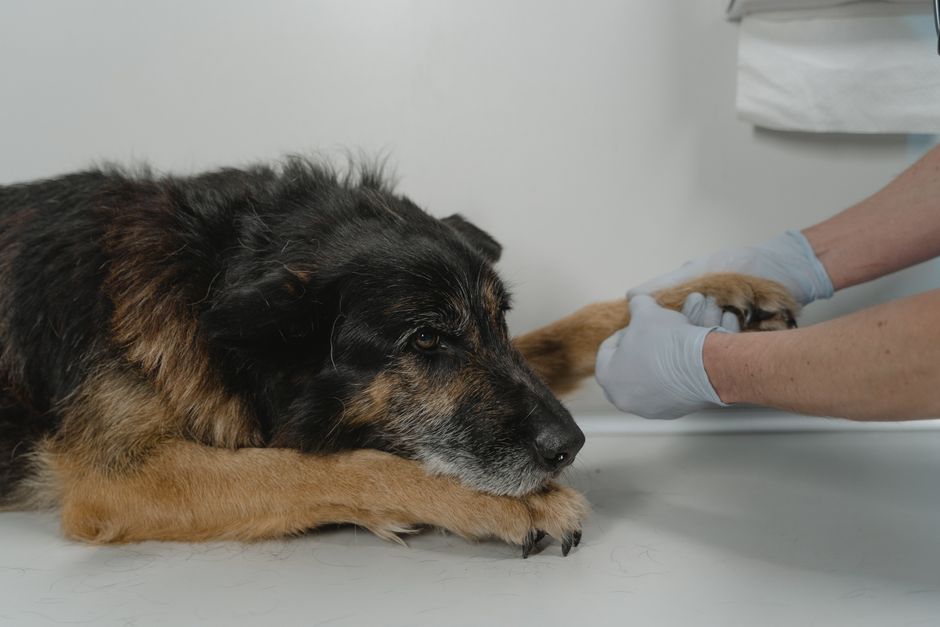
Best Dog Foods for Sensitive Stomachs: Local Vet-Recommended Options

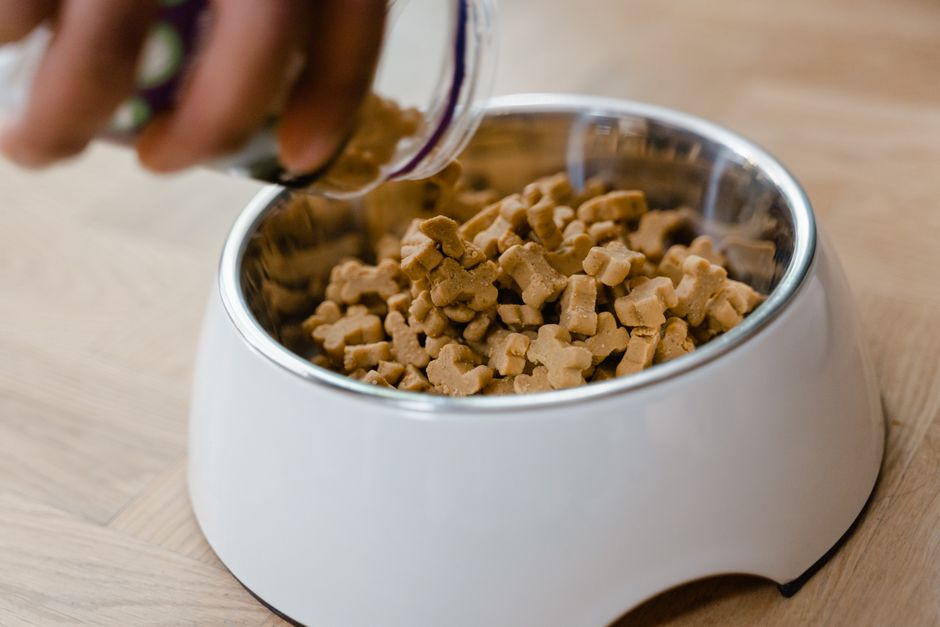
Best Dog Foods for Sensitive Stomachs: Local Vet-Recommended Options
If your dog in Central NJ is struggling with digestive upset, frequent vomiting, loose stools, or general food intolerance, you know how stressful it can be to find the right nutrition to keep them healthy and happy. At Hunterdon Hills Animal Hospital, located at 411 US Highway 22 East, Whitehouse Station, NJ 08889, our veterinary team often hears from concerned pet owners searching for the best dog foods for sensitive stomach. You want your dog to enjoy mealtimes without discomfort or distress, and choosing the right diet is a key step in supporting their digestive health. In this blog, we will walk you through the signs that your dog might have a sensitive stomach, the most common causes, how to select the most appropriate foods, and when it’s time to consult a veterinarian for expert guidance. Whether you are a pet owner in Whitehouse Station or the surrounding communities, our goal is to help you make informed choices for your dog's wellbeing.
Recognizing Signs of a Sensitive Stomach in Dogs
Determining whether your dog has a sensitive stomach can sometimes be straightforward, but in many cases, the symptoms are subtle or overlap with other conditions. Common signs that your dog is struggling with digestive sensitivity include frequent episodes of vomiting or regurgitation, loose or inconsistent stools, excessive gas, and occasional bouts of diarrhea. Other dogs may show decreased appetite or reluctance to eat certain foods, while some may experience abdominal discomfort that is evident through restlessness or hunched posture after meals. Skin issues, recurring ear infections, and excessive scratching can also point to food sensitivities, especially when accompanied by digestive trouble. If your dog is experiencing any of these symptoms on a recurring basis, it may be time to examine their diet more closely and discuss your concerns during their next wellness examination.
What Causes Sensitive Stomachs in Dogs?
Sensitive stomachs in dogs can result from a variety of factors, and understanding the root cause can help you make better choices when selecting food. Food allergies or intolerances are among the most common contributors; these reactions may develop over time and are often triggered by specific proteins, grains, or additives in commercial dog foods. Other potential causes include abrupt changes in diet, which can upset the natural balance of gut bacteria and lead to temporary digestive upset. Some breeds are genetically more prone to sensitive digestion, while others may develop issues as they age or as a result of underlying health conditions. Environmental stress, parasites, or the use of certain medications can also impact your dog's ability to process food comfortably. In some cases, more complex medical problems such as inflammatory bowel disease or pancreatitis may be at play, which require professional diagnosis and targeted treatment.
Vet-Recommended Best Dog Foods for Sensitive Stomach
When searching for the best dog foods for sensitive stomach, it is important to focus on high-quality, easily digestible options that are formulated to minimize irritation and promote gut health. Veterinarians often recommend diets with limited ingredients, which reduce the risk of allergic reactions by featuring a single protein source and minimal fillers. Novel protein diets, such as those based on duck, venison, or fish, can be beneficial for dogs with protein sensitivities, while grain-free options may help those with intolerance to wheat, corn, or soy. Many sensitive stomach formulas also include added prebiotics and probiotics to support a healthy balance of intestinal flora, as well as omega fatty acids to reduce inflammation.
Prescription diets, available through your veterinary team, are carefully formulated to address specific digestive concerns and undergo rigorous testing for safety and effectiveness. While over-the-counter sensitive stomach foods are available at pet stores, discussing your options with a veterinarian ensures you choose a product that meets your dog's individual needs and aligns with any underlying medical conditions. During a comprehensive pet exam, our team can recommend the best diet based on your dog’s medical history, current symptoms, and overall lifestyle.
Transitioning to a New Diet
Switching to a new dog food should always be done gradually to avoid further digestive upset. The transition process typically involves mixing increasing amounts of the new food with the old over the course of seven to ten days. This slow adjustment allows your dog’s digestive system to acclimate to new ingredients and reduces the likelihood of vomiting or diarrhea.
Managing Your Dog’s Sensitive Stomach at Home
Beyond choosing the best dog foods for sensitive stomach, there are several steps you can take at home to support your dog’s digestive health. Consistency in feeding times and portion sizes helps maintain a stable digestive routine. Avoid giving table scraps or rich treats, as these can introduce unfamiliar ingredients that trigger symptoms. Fresh water should always be available, and it’s important to keep your dog away from garbage or items in the yard that could be harmful if ingested.
In some cases, adding small amounts of plain, cooked white rice or pumpkin to meals can help soothe an upset stomach, but these should be discussed with your veterinarian before making changes. Monitoring your dog for changes in appetite, stool quality, and energy levels will help you catch early signs of trouble and allow for prompt adjustments.
If your household includes both dogs and small ruminants such as goats or sheep, be sure to store feeds separately and supervise feeding times, as cross-species ingestion can cause digestive distress in both groups. For more information about maintaining overall health for your pets, consider scheduling a wellness examination with our veterinary professionals.
When to Seek Veterinary Care for Digestive Issues
While many cases of mild digestive upset resolve with dietary adjustments, there are situations where immediate veterinary attention is necessary. If your dog is experiencing persistent vomiting or diarrhea lasting more than 24 hours, signs of dehydration such as sunken eyes or dry gums, or is lethargic and refusing food entirely, contact our veterinary team right away. The presence of blood in vomit or stool, sudden weight loss, or severe abdominal pain should never be ignored, as these may signal a more serious underlying problem.
Our veterinarians at Hunterdon Hills Animal Hospital can perform diagnostic tests to identify food allergies, rule out infections, and assess for chronic gastrointestinal conditions. In some cases, allergy testing may be recommended to pinpoint specific triggers and guide you toward the most effective dietary solution. Early intervention not only helps your dog feel better sooner but also prevents long-term complications that can arise from untreated digestive disorders.
Supporting Small Ruminant Owners: Sensitive Stomach Concerns in Goats and Sheep
While this blog focuses primarily on dogs, we also recognize that owners of small ruminants such as goats and sheep may encounter digestive challenges within their herds. Signs of gastrointestinal sensitivity in these animals include changes in rumen activity, decreased feed intake, bloating, and abnormal manure consistency. Causes may range from abrupt feed changes and overconsumption of rich pasture to parasitic infections or mineral imbalances. Maintaining consistent feeding routines, providing high-quality forage, and avoiding sudden dietary shifts are important strategies for herd health. If you observe persistent digestive issues in your sheep or goats, our veterinary team can provide guidance and on-site evaluations tailored to your operation.
Why Local Veterinary Guidance Matters
Every dog is unique, and what works for one may not suit another. That is why working with a trusted veterinary team in Whitehouse Station and surrounding communities is essential for finding the best dog foods for sensitive stomach and addressing any underlying health issues. Our veterinarians combine local expertise with up-to-date nutritional knowledge, ensuring recommendations are tailored to your animal’s needs and the realities of life in Central New Jersey.
Take the Next Step for Your Dog’s Digestive Health
If your dog is struggling with a sensitive stomach, you do not have to navigate diet choices alone. The team at Hunterdon Hills Animal Hospital is here to offer professional advice, diagnostics, and ongoing support for both companion animals and small ruminants. Schedule an appointment at our Whitehouse Station location or call (908) 534-2311 to consult with our veterinarians about the best dog foods for sensitive stomach and other digestive concerns. If you are searching for a trusted veterinarian near me, our team is ready to help your animals thrive. For more information on managing food allergies and intolerances, visit our allergy testing page or ask about a comprehensive pet exam. Together, we will help your dogs and livestock enjoy healthy, comfortable lives—one meal at a time.
This blog is intended for informational purposes only and does not replace professional veterinary evaluation. Always consult your veterinarian for specific concerns regarding your animal’s health or dietary needs.