Protecting Small Ruminants From Parasites in Summer Heat

Protecting Small Ruminants From Parasites in Summer Heat
Summer in Central New Jersey brings lush pastures and long days, but it also ushers in challenges for producers managing sheep and goats. The hot, humid conditions typical of July create an ideal environment for parasites to thrive, increasing the risk of infestations in small ruminant herds. Whether you operate a small backyard flock or oversee a larger commercial herd, safeguarding your animals from internal parasites is essential for maintaining health and productivity through the peak grazing season. At Hunterdon Hills Animal Hospital, conveniently located at 411 US Highway 22 East, Whitehouse Station, NJ 08889, our veterinary team is dedicated to helping local producers in Whitehouse Station and surrounding communities protect their sheep and goats with comprehensive parasite control strategies. In this blog, we will discuss how to recognize signs of parasite infestation, what drives parasite outbreaks in the summer, best practices for treatment and prevention, and when it is time to call your veterinary professionals for help.
Recognizing Signs of Parasite Infestation in Sheep and Goats
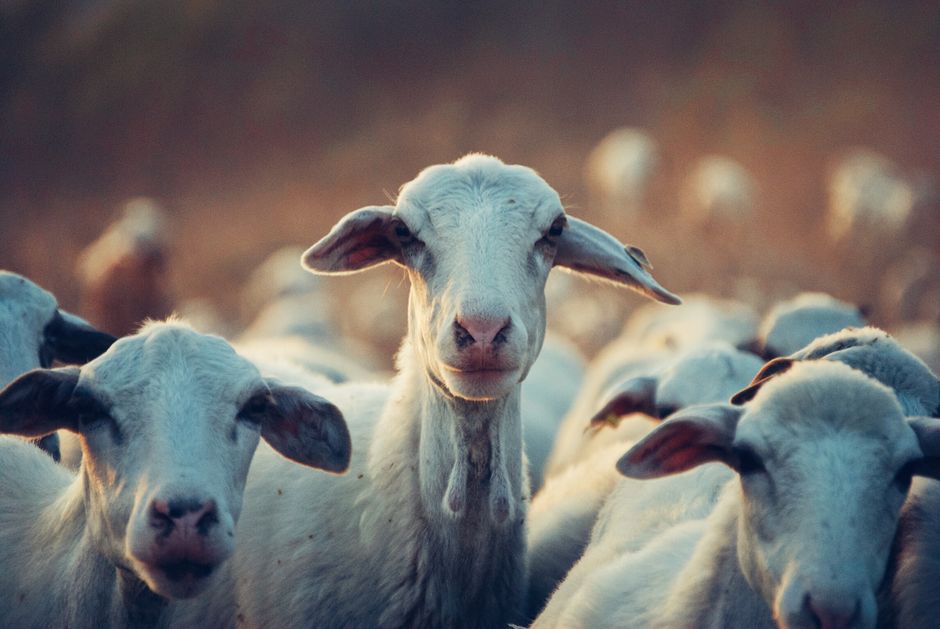
Detecting parasite problems early is key to minimizing their impact on your herd. Internal parasites such as barber pole worm (Haemonchus contortus), coccidia, and tapeworms can cause visible and subtle signs in sheep and goats. Common indicators include pale mucous membranes (especially around the eyes and gums), bottle jaw (swelling under the jaw), weight loss despite good appetite, rough or patchy fleece, diarrhea, decreased milk production, poor growth rates in kids or lambs, and general lethargy. In some cases, you may notice animals lagging behind the group or isolating themselves, which can signal weakness or anemia. Producers should routinely check for these symptoms, especially during the summer months when parasite pressure is at its highest.
Subtle Warning Signs
Not all animals with heavy parasite loads appear sick. Some may maintain normal body condition until the infestation becomes severe. As a precaution, regularly assess the FAMACHA score—a simple tool for evaluating anemia by examining the color of the lower eyelid. An increase in FAMACHA scores across the herd, combined with declining body condition scores, suggests rising parasite burdens. Early intervention can prevent losses and reduce the need for aggressive treatments later in the season.
Why Parasites Thrive in Hot, Humid New Jersey Summers
Understanding why parasite issues spike during summer helps producers stay a step ahead. The life cycle of common internal parasites, especially gastrointestinal nematodes like the barber pole worm, is closely tied to environmental conditions. Eggs are shed in manure, hatch into larvae, and migrate onto pasture grass, where grazing animals ingest them. Warmth and moisture accelerate this cycle, resulting in greater numbers of infective larvae on pasture during July and August.
Pasture Management and Stocking Density
Heavy rainfall, frequent irrigation, and higher stocking densities can exacerbate parasite problems by increasing moisture in the pasture and concentrating manure. Goats and sheep grazing close to the ground are especially vulnerable, as larvae congregate on lower blades of grass. In New Jersey, rotational grazing can help limit exposure, but even well-managed pastures require vigilance when the weather turns hot and humid.
Effective Treatment and Deworming Strategies
When parasite burdens are confirmed, swift action is necessary to restore animal health and prevent further spread within the herd. The veterinary team at Hunterdon Hills Animal Hospital works with local producers to develop evidence-based deworming protocols. Deworming decisions should be made based on fecal egg counts, clinical signs, and risk factors unique to each operation.
Targeted Deworming
Routine, blanket deworming is no longer recommended due to growing concerns about resistance. Instead, a targeted approach focuses on treating only those animals with high FAMACHA scores, poor body condition, or positive fecal egg counts. This method preserves the effectiveness of available anthelmintics and reduces unnecessary drug use. Common dewormers include fenbendazole, ivermectin, and moxidectin, but the choice of medication and dosing schedule should be determined in consultation with your veterinarians, as resistance patterns can vary by region and parasite species.
Supportive Care During Treatment
In severe infestations, supportive care may be necessary. This can involve providing high-quality nutrition, supplemental minerals, and fresh water to aid recovery. Severely anemic animals might require additional interventions, such as vitamin and mineral injections or even blood transfusions in rare cases. Always isolate heavily infested animals to prevent further pasture contamination and monitor them closely for improvement after treatment.
Preventing Parasite Problems: Farm Management Tips
Prevention is always preferable to cure. Producers can take several proactive steps to reduce parasite pressure and protect their herds throughout the summer.
Rotational Grazing and Pasture Rest
A cornerstone of parasite prevention is rotational grazing. By moving animals between paddocks and allowing pastures to rest, you can break the parasite life cycle and minimize exposure. Pastures should be allowed to rest for at least 30 days, as most larvae die off during this period. Avoid grazing down to the soil level, as infective larvae are concentrated on the lowest grass blades.
Mixed-Species Grazing
When feasible, introducing cattle or horses into rotation with sheep and goats can help disrupt parasite transmission, since most internal parasites are species-specific and will not complete their life cycle in non-target hosts. This approach can reduce overall pasture contamination and improve forage utilization.
Cleanliness and Manure Management
Keeping bedding areas dry and clean, removing manure regularly, and preventing overcrowding in barns and pens are essential steps. Avoid feeding animals on the ground to limit ingestion of infective larvae. Fresh, uncontaminated water sources also play a role in reducing the spread of coccidia and other protozoal parasites.
Regular Health Checks
Routine health evaluations by your veterinary team can help identify early signs of infestation and provide guidance on preventive measures. Fecal egg count monitoring, FAMACHA scoring, and body condition scoring should be integrated into your regular herd management plan. To learn more about how preventive routines support herd health, visit our page on wellness care for herds and animals.
When to Contact Your Veterinarian
While day-to-day management plays a crucial role in parasite control, there are times when professional intervention is necessary. If you notice persistent diarrhea, rapid weight loss, severe anemia, bottle jaw, or sudden deaths in your herd, it is important to schedule a veterinary visit promptly. Additionally, if home deworming protocols are not producing the expected results, or if you are concerned about drug resistance, reach out to your veterinary professionals for a tailored plan.
At Hunterdon Hills Animal Hospital, we provide in-depth diagnostic services, including fecal analysis, to help producers make informed decisions about parasite management. Our veterinarians can recommend appropriate dewormers, design rotation schedules, and educate you on best practices for your operation. Early intervention can prevent losses and help maintain a thriving, productive herd throughout the summer months.
Supporting Healthy Herds All Summer Long
Protecting sheep and goats from parasites during New Jersey’s hot, humid summers requires vigilance, knowledge, and a proactive approach. By recognizing the signs of infestation, understanding the environmental factors that contribute to parasite outbreaks, and implementing strategic treatment and prevention plans, producers can safeguard animal health and productivity. Regular collaboration with your veterinary team ensures that your herd receives personalized, science-based care tailored to your operation’s unique needs.
Hunterdon Hills Animal Hospital is committed to supporting local producers throughout Whitehouse Station and surrounding communities. If you have questions about parasite control, want to schedule a herd health evaluation, or are seeking a "vet near me" with expertise in small ruminant care, our veterinary team is ready to help. For more information about preventive routines and wellness support, visit our page on wellness care for herds and animals. To schedule an appointment or discuss your parasite management plan, call us at (908) 923-7728 or stop by our convenient location at 411 US Highway 22 East, Whitehouse Station, NJ 08889. Let our veterinary professionals partner with you to ensure your sheep and goats remain healthy and productive, no matter how high the summer temperatures climb.
Disclaimer: This blog is for informational purposes only and is not a substitute for professional veterinary advice. Always consult your veterinarian for herd-specific recommendations and before administering any treatments. For urgent concerns, contact your veterinary team immediately.