
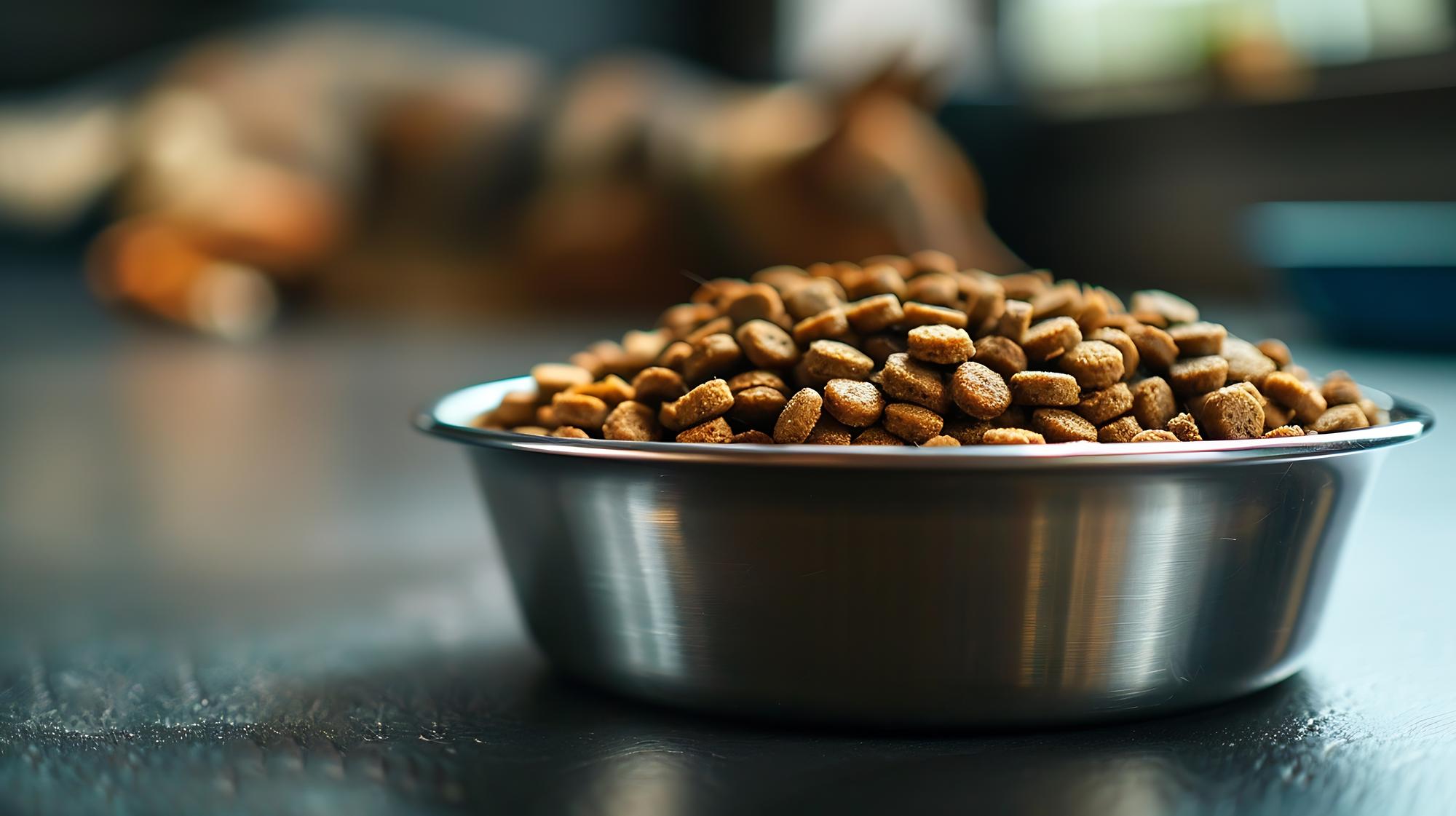
Best Dog Foods for Sensitive Stomachs: Vet Tips for Central NJ
Does your dog often experience digestive upset, such as vomiting, loose stools, or chronic gas? If you’re searching for the best dog foods for sensitive stomach, you’re not alone. Many dogs in Central New Jersey struggle with digestive sensitivities, which can make mealtime stressful for both pets and their owners. At Hunterdon Hills Animal Hospital, located at 411 US Highway 22 East, Whitehouse Station, NJ 08889, our team of veterinarians is dedicated to helping you identify the underlying causes of your dog’s tummy troubles and recommending gentle, nutritious diets that support digestive health. In this blog, we’ll help you recognize the signs of a sensitive stomach, explore why these issues develop, review veterinarian-approved food options, and share tips for keeping your canine comfortable and healthy here in Whitehouse Station and surrounding communities.
Whether your companion is a playful puppy with recurring soft stools or an adult dog who seems unable to tolerate certain foods, understanding how to select the best dog foods for sensitive stomach can make all the difference. We’ll also discuss when it’s time to schedule an appointment with our veterinary team, and how our expertise in both preventive care and nutritional counseling can help your dog thrive. Let’s explore how you can keep your dog’s digestive system balanced and happy.
Recognizing Sensitive Stomach Issues in Dogs
Digestive sensitivities in dogs are more common than many owners realize. Recognizing the signs early is crucial for your dog’s comfort and long-term health. Symptoms of a sensitive stomach often include chronic or intermittent vomiting, frequent loose stools or diarrhea, excessive gas, rumbling or gurgling stomach sounds, and occasional loss of appetite. Some dogs may also experience mild abdominal discomfort, visible as restlessness after meals or reluctance to eat certain foods. In more subtle cases, you might notice softer-than-normal stools or increased frequency of bowel movements without obvious distress.
Dogs with sensitive stomachs may also have changes in their coat quality or energy levels, as poor digestion can impact nutrient absorption. If your dog frequently turns away from food, seems lethargic, or you observe weight loss, these could all be linked to digestive issues. It’s important to keep a record of symptoms, including when they occur and any foods or treats recently introduced. This information helps your veterinarian identify patterns and rule out more serious underlying health conditions.
At Hunterdon Hills Animal Hospital, our veterinarians understand that digestive problems can be distressing for dogs and owners alike. If you’re noticing persistent symptoms, especially if your dog’s appetite or energy is affected, it’s a good time to reach out for a wellness examination or nutritional counseling.
What Causes Sensitive Stomachs in Dogs?
Sensitive stomachs in dogs can arise from a variety of factors, and understanding these can help you make informed dietary choices. Some dogs are genetically predisposed to digestive sensitivities, while others develop them due to environmental or dietary triggers. Common causes include food intolerances, where a dog’s digestive system struggles to process certain ingredients such as beef, chicken, dairy, or grains. Food allergies are another culprit, often leading to both gastrointestinal and skin issues.
Abrupt changes in diet are a frequent source of digestive upset. Introducing a new food too quickly can overwhelm your dog’s system, resulting in vomiting or diarrhea. Additionally, high-fat treats, table scraps, or low-quality commercial diets with artificial additives can irritate the digestive tract.
Stress is another factor that can exacerbate stomach sensitivities. Changes in routine, boarding, or even travel can lead to temporary digestive issues. Underlying medical conditions, such as pancreatitis, inflammatory bowel disease, or parasites, may also present with similar symptoms. For this reason, it’s essential to consult with your veterinary team before assuming diet is the sole cause.
Dogs living in Central New Jersey may also experience seasonal fluctuations in digestive health, especially when transitioning from indoor environments during colder months to increased outdoor activity in the spring and summer. Environmental allergens, parasites, and even water quality can play a role.
Choosing the Best Dog Foods for Sensitive Stomach
Selecting the right food is a critical step in managing sensitive stomachs. The best dog foods for sensitive stomach are formulated to be highly digestible, containing limited, high-quality ingredients and minimal artificial additives. Veterinary-recommended diets often feature a single, novel protein source such as duck, salmon, or lamb, paired with easily digestible carbohydrates like rice or potato. These formulas help reduce the risk of triggering food intolerances or allergies.
Fiber content is another important consideration. Foods with appropriate levels of soluble and insoluble fiber can help regulate digestion and improve stool quality. In some cases, your veterinarian may recommend a prescription diet, especially if your dog has a diagnosed gastrointestinal disorder. These specialized diets are carefully balanced to support digestive health and minimize irritation.
Transitioning to a new food should always be done gradually, over at least 7 to 10 days, by slowly mixing increasing amounts of the new food with your dog’s current diet. This helps the digestive system adapt and reduces the risk of further upset. If you’re unsure which formula is best for your dog, our veterinarians can provide personalized recommendations based on a comprehensive health assessment and, if needed, allergy testing.
When choosing commercial diets, look for brands that prioritize ingredient quality, have undergone feeding trials, and are supported by veterinary nutritionists. Avoid foods with excessive fillers, artificial preservatives, or unidentified “meat by-products.” For some dogs, home-cooked diets may be appropriate, but these should always be formulated under veterinary guidance to ensure balanced nutrition.
Managing and Preventing Digestive Upset at Home
Beyond diet selection, there are several practical strategies you can implement at home to support your dog’s digestive health. Maintaining a consistent feeding schedule helps regulate digestion and reduces anxiety around mealtimes. Feeding smaller, more frequent meals rather than one large meal can be easier on sensitive stomachs.
Always provide access to fresh, clean water, especially during warmer months or periods of increased activity. Avoid giving your dog table scraps, fatty treats, or sudden new foods, as these can quickly trigger digestive upset. If you treat your dog with chews or snacks, opt for simple, single-ingredient options that are easy to digest.
Environmental factors also play a role. For example, dogs who enjoy outdoor play in Whitehouse Station and the surrounding countryside should be monitored to prevent them from eating grass, garbage, or other non-food items that can irritate the stomach. Regular parasite prevention is essential, as intestinal worms and other parasites can mimic or worsen digestive symptoms.
Monitoring your dog’s stool quality and overall demeanor gives you valuable insight into how well their current diet is working. If you notice a return of symptoms after introducing a new treat or food, discontinue the product and consult your veterinarian. In some cases, a wellness examination may be needed to assess for underlying issues.
When to Seek Veterinary Care for Sensitive Stomach Issues
While many dogs with sensitive stomachs can be managed with dietary adjustments and at-home care, there are times when professional veterinary evaluation is necessary. If your dog experiences persistent vomiting, ongoing diarrhea, blood in the stool, severe abdominal discomfort, or any signs of dehydration, prompt veterinary attention is crucial. Sudden changes in appetite, unexplained weight loss, or a decline in energy should also be evaluated.
Chronic or recurring digestive problems warrant a comprehensive assessment to rule out underlying diseases such as inflammatory bowel disease, pancreatitis, or endocrine disorders. Our veterinary professionals at Hunterdon Hills Animal Hospital will perform a thorough physical examination, review your dog’s medical history, and may recommend diagnostic tests such as bloodwork, fecal analysis, or imaging to identify the root cause.
For dogs with known allergies or intolerances, allergy testing can help pinpoint specific triggers and guide dietary selection. If your dog is experiencing an acute episode of vomiting or diarrhea outside of regular clinic hours, it’s important to seek urgent care as soon as possible.
Remember, early intervention leads to faster relief and helps prevent complications. Our team is here to support your dog’s health through every stage, whether you’re managing a mild sensitivity or navigating a more complex digestive disorder.
Supporting Your Dog’s Digestive Health in Central NJ
Helping your dog thrive with a sensitive stomach is a collaborative effort between owners and veterinary professionals. By recognizing the signs of digestive upset, choosing the best dog foods for sensitive stomach, and maintaining consistent routines, you can greatly improve your dog’s quality of life. Our veterinarians at Hunterdon Hills Animal Hospital are committed to guiding you through every step, from nutritional counseling to allergy testing and ongoing wellness care.
If you’re searching for a veterinarian near me who understands the unique needs of dogs with digestive sensitivities, we invite you to schedule an appointment at our conveniently located practice at 411 US Highway 22 East, Whitehouse Station, NJ 08889. Our team serves Whitehouse Station and surrounding communities, offering compassionate, evidence-based care for dogs, cats, and small ruminants.
To learn more about dietary support, preventive health, or to discuss the best dog foods for sensitive stomach for your canine companion, call us at (908) 923-7728 or request an appointment through our website. We’re here to help your dog enjoy every meal and every day to the fullest.
Disclaimer: This blog provides general information and is not a substitute for professional veterinary advice. Always consult with your veterinarian for personalized recommendations and before making changes to your dog’s diet or health routine.
Worried about something you read?
If any of this sounds like your pet, we're here to help.