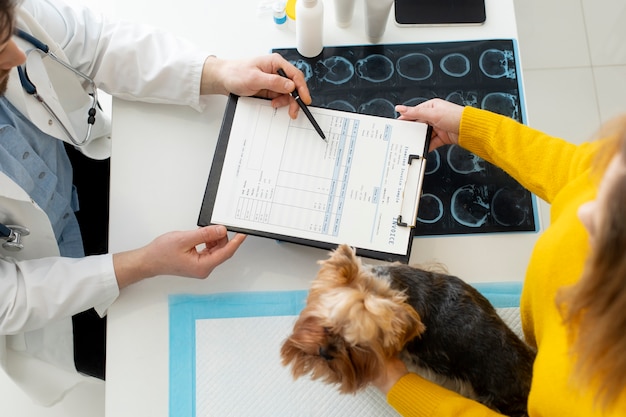
Dog Knee Surgery: What Hunterdon County Pet Owners Should Know


Dog Knee Surgery: What Hunterdon County Pet Owners Should Know
If your dog is suddenly limping, struggling to stand, or seems reluctant to play and go for walks, you are not alone. Many pet owners in Whitehouse Station and the surrounding communities face similar concerns about their dog's mobility. Knee injuries are one of the most common orthopedic problems in dogs, and for many pets, surgery is the best way to restore a pain-free, active life. At Hunterdon Hills Animal Hospital, our veterinary team has years of experience diagnosing and treating knee conditions in dogs, using advanced surgical and medical approaches tailored to each pet’s needs. In this blog, we will help you understand how to recognize knee problems, why they happen, what the dog knee surgery process involves, and how our team works alongside Central New Jersey pet owners every step of the way. We will also discuss the importance of timely treatment, preventive care, and what to expect when your pet needs help regaining comfort and mobility. If you are searching for guidance about dog knee surgery in Hunterdon County, you have come to the right place.
Recognizing Knee Problems in Dogs: Signs Your Pet May Need Surgery
Knee injuries in dogs can be subtle at first, but over time the signs may become more obvious and affect your dog's quality of life. Common symptoms to watch for include sudden or persistent lameness, holding up a hind leg, or having difficulty rising after lying down. You may notice that your dog hesitates to jump onto furniture, is reluctant to climb stairs, or loses interest in play and exercise. Swelling around the knee joint, occasional yelps of pain, or stiffness after rest are additional warning signs that something is not right. Sometimes, dogs with knee injuries will shift their weight to the uninjured leg, which can lead to further strain and discomfort. If you see any of these changes in your pet’s behavior, it is important to schedule an appointment with our veterinary professionals for a thorough evaluation.
While limping is often the first symptom that catches an owner's attention, subtle changes such as licking or chewing at the affected knee, muscle loss in the thigh, or a popping sound when the joint moves can also indicate underlying problems. The progression of these symptoms can vary, and some dogs may try to hide their discomfort, especially in the early stages. Early detection and intervention can make a significant difference in treatment outcomes, so never hesitate to reach out if you suspect a problem with your dog’s knee.
Understanding the Causes: Why Do Dogs Need Knee Surgery?
Dog knee injuries most commonly involve the cranial cruciate ligament (CCL), which is similar to the ACL in humans. This tough band of tissue stabilizes the knee joint, but it is vulnerable to both sudden injuries and gradual degeneration. In many cases, dog knee surgery becomes necessary because the ligament has partially or completely torn. This can happen during energetic play, jumping, or twisting motions, but in other dogs, it develops slowly due to genetics, aging, or underlying joint disease.
Certain breeds, such as Labrador Retrievers, Boxers, and Rottweilers, are more prone to knee ligament injuries, but any dog can be affected. Obesity, high activity levels, and previous injuries can increase the risk. Additional causes for knee problems include kneecap dislocation (patellar luxation), fractures, or damage to the meniscus, the cartilage cushion inside the joint. Over time, instability in the knee can lead to arthritis and chronic pain if not addressed.
Our orthopedic services for pets at Hunterdon Hills Animal Hospital allow us to diagnose these conditions accurately, using advanced imaging tools like digital radiology and ultrasound. We also assess whether surgery or non-surgical management is the best approach for each individual pet.
Treatment Options: What to Expect With Dog Knee Surgery
Once our veterinarians have diagnosed a knee injury, we will discuss all available treatment options with you. While mild sprains or minor injuries may improve with rest and medication, complete ligament tears, severe instability, or recurrent kneecap dislocations often require dog knee surgery for long-term success. The most common surgical procedures performed include CCL repair, which can involve techniques such as extracapsular stabilization or more advanced methods depending on your dog’s size and activity level. In some cases, especially when the kneecap is involved, procedures to realign the patella or repair damaged cartilage may be necessary.
Our hospital provides a comprehensive suite of surgical services, including ACL repair surgery and knee cap dislocation surgery, ensuring that your pet receives the specific care they need. During surgery, we use modern anesthesia and monitoring equipment to maximize safety and comfort. After surgery, pain management, physical therapy, and tailored rehabilitation plans help speed recovery and restore function.
Recovery from dog knee surgery typically involves a period of restricted activity, followed by gradual reintroduction of exercise. Our veterinarians will provide detailed instructions for home care, physical therapy exercises, and regular follow-up visits to monitor healing. Most dogs regain excellent mobility and return to their favorite activities over time, thanks to careful post-operative care.
Prevention and Home Care: Supporting Your Dog’s Joint Health
While not all knee injuries can be prevented, there are steps you can take to reduce your pet’s risk and support recovery. Maintaining a healthy weight is one of the most effective ways to decrease stress on your dog’s joints. Regular low-impact exercise, such as leash walks and swimming, helps keep muscles strong and joints flexible. Providing non-slip surfaces in the home and avoiding high-impact activities, especially for at-risk breeds, can further protect knee health.
After dog knee surgery, adhering to your veterinarian’s recommendations for controlled activity, pain management, and rehabilitation exercises is essential. Warning signs that should prompt a follow-up visit include persistent limping, swelling, or signs of pain despite medication. Scheduling regular wellness care visits for your pet allows our veterinary team to monitor joint health, identify problems early, and tailor preventive strategies as your pet ages.
At home, gentle massage, cold compresses, and supportive bedding can contribute to your dog’s comfort during recovery. Always consult our veterinarians before starting any new supplements or therapies, as not all products are safe or effective for every pet.
When to Seek Veterinary Care for Your Dog’s Knee
Timely evaluation is crucial if you notice any changes in your dog’s gait, persistent limping, or reluctance to use a hind leg. Immediate care is especially important if your dog cannot bear weight on the leg, shows signs of severe pain, or if you observe swelling, bruising, or obvious deformity in the joint. Sudden injuries during play, jumping, or running should never be ignored, as prompt treatment can prevent further damage.
If your dog has previously undergone knee surgery and now displays new or worsening symptoms, contact our veterinary professionals as soon as possible. Chronic limping, reduced mobility, or ongoing discomfort are not normal and may indicate complications or additional injuries. Our team at Hunterdon Hills Animal Hospital is committed to providing compassionate, expert care for every stage of your pet’s recovery.
Remember, only a thorough examination by a veterinarian can determine whether surgery or another treatment is appropriate. If you are ever uncertain, it is always better to err on the side of caution and schedule an appointment for your pet.
Restoring Mobility, Comfort, and Quality of Life: Why Choose Hunterdon Hills Animal Hospital
Dog knee injuries can be painful and frustrating for both pets and their families, but with the right care, most dogs make a full recovery. At Hunterdon Hills Animal Hospital, we have been helping pets in Whitehouse Station and surrounding communities regain their mobility and comfort for decades. Our veterinary team combines advanced diagnostics, skilled surgical techniques, and personalized rehabilitation plans to ensure the best possible outcomes for every patient.
If your dog is struggling with knee problems or you have questions about dog knee surgery, we invite you to schedule an appointment with our experienced veterinarians. When searching for a vet near me, trust in a practice that offers comprehensive orthopedic services, compassionate support, and a commitment to lifelong pet health. To book your consultation or learn more about our approach to dog knee surgery, call (908) 923-7728 or visit us at 411 US Highway 22 East, Whitehouse Station, NJ 08889. We are here to help your dog return to happy, active days—and to give you peace of mind.
For further reading on our orthopedic services for pets, or to explore our wellness care options, please browse our website or reach out with any questions. Your pet’s comfort, health, and happiness are always our top priorities.
This blog is intended for educational purposes only and does not replace professional veterinary advice. Always consult your veterinarian for diagnosis and treatment recommendations specific to your pet.