Understanding Pet Laser Therapy: How K-Laser Helps Healing

Understanding Pet Laser Therapy: How K-Laser Helps Healing
If your pet is recovering from an injury, surgery, or dealing with chronic pain, you may feel anxious about their healing process and comfort. Many pet owners in Whitehouse Station and surrounding communities want to know if there are advanced, gentle treatment options that can encourage faster recovery while keeping their pet comfortable. At Hunterdon Hills Animal Hospital, our experienced veterinary team is committed to providing the most effective therapies for your pet’s needs, including cutting-edge pet laser therapy with K-Laser technology. In this blog, we will explore what pet laser therapy is, how K-Laser for pets works, the signs that your pet might benefit from this treatment, and how our team in Whitehouse Station, NJ can help support your pet’s recovery process. Whether you’re seeking advanced pain relief or a trusted "vet near me" to guide your pet’s healing journey, you’ll find answers here. To learn more about our technology and its benefits, you can also visit our page on K-Laser Therapy.
Recognizing When Your Pet May Need Laser Therapy
Many pet owners wonder how to tell if their dog, cat, or small ruminant could benefit from pet laser therapy. The need for K-Laser for pets often arises after surgery, injury, or when managing chronic conditions such as arthritis. Key signs include noticeable discomfort, such as limping after a walk, difficulty getting up or lying down, or a reluctance to jump onto furniture or climb stairs. You might observe swelling at a surgical site, persistent licking or chewing of a particular area, or visible wounds that seem slow to heal. Chronic conditions like arthritis may cause stiffness, especially after a period of rest, or changes in your pet’s usual activity level. In some cases, pets may vocalize or exhibit changes in temperament, such as increased irritability, which often signals pain.
If you notice your pet struggling with daily activities or showing any of these behaviors, it may be time to consider advanced therapies. Many families searching for "veterinary services near me" are seeking compassionate care for these very concerns. Our veterinary professionals at Hunterdon Hills Animal Hospital often recommend K-Laser for pets as part of a customized recovery plan, especially for patients in need of enhanced pain management or wound healing.
What Is Pet Laser Therapy and Why Is It Used?
Pet laser therapy, also known as photobiomodulation, uses concentrated light energy to stimulate the body’s natural healing processes. K-Laser therapy is a specific form of this treatment that utilizes precise wavelengths of red and near-infrared light to penetrate deep into tissues. This light energy increases circulation, reduces inflammation, and accelerates cell repair, making it an effective option for a wide range of conditions.
Veterinarians often recommend laser therapy after orthopedic surgery, dental procedures, or for conditions such as hip dysplasia, soft tissue injuries, ear infections, or chronic wounds. For example, a dog recovering from ACL repair or a cat healing from dental extraction may experience less swelling and more rapid tissue regeneration with the help of K-Laser. In small ruminants, laser therapy can aid recovery from injuries or support the management of chronic lameness.
The decision to use pet laser therapy in Whitehouse Station is based on your pet’s specific diagnosis, age, and overall health. Our veterinary team will help you understand whether this therapy is suitable as a primary treatment or as a supportive measure alongside other medical care. The safety profile of laser therapy means it is often chosen by families seeking non-invasive options that minimize the need for medications or additional procedures.
How K-Laser for Pets Supports Healing and Pain Relief
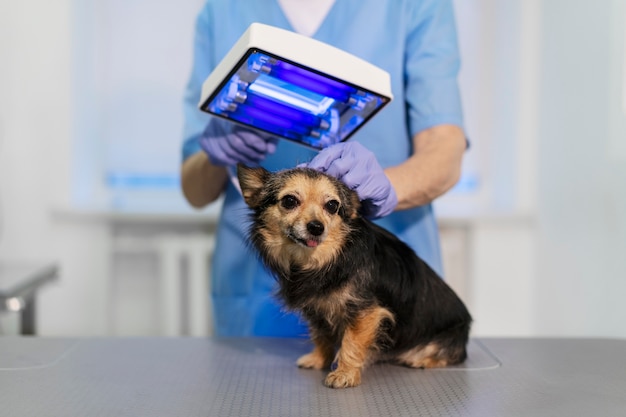
K-Laser for pets is designed to be both effective and comfortable, making it a popular choice for pet owners and veterinarians alike. The treatment process involves moving a handheld device over the affected area, allowing targeted light energy to penetrate tissues without causing discomfort. Pets typically relax during the session, which can last anywhere from a few minutes to half an hour depending on the condition being treated.
The physiological effects of K-Laser for pets include increased blood flow to the treated area, enhanced oxygen delivery to tissues, and stimulation of cellular processes that accelerate healing. Additionally, laser therapy reduces inflammation and swelling, leading to visible improvements in mobility and comfort. In the days following a session, pet owners often report that their dog or cat seems more energetic, is better able to move, or shows renewed interest in play and exercise.
At Hunterdon Hills Animal Hospital, we regularly use K-Laser therapy for pets recovering from orthopedic surgery, such as fracture repair or knee cap stabilization, as well as for patients with chronic pain from arthritis or hip dysplasia. Our veterinary professionals tailor the frequency and intensity of treatments based on your pet’s needs, ensuring optimal results with minimal stress.
If you’d like to understand more about how this technology works and the science behind it, you can explore our detailed K-Laser Therapy page.
Integrating Pet Laser Therapy Into Your Pet’s Care Plan
When your pet is recovering from an injury or surgery, or struggling with chronic discomfort, you want a comprehensive plan that addresses both immediate pain and long-term healing. At Hunterdon Hills Animal Hospital, our approach begins with a thorough evaluation by our veterinarians, who will discuss your pet’s medical history, current symptoms, and lifestyle. If pet laser therapy is recommended, we will create a schedule that integrates seamlessly with other treatments, such as physical rehabilitation, medication, or dietary management.
During each K-Laser session, your pet will be gently positioned to ensure comfort and safety. Sessions are typically spaced out over several weeks, with each visit building on the progress made previously. Many pets experience noticeable improvements after just a few treatments, especially in cases of soft tissue injuries, post-surgical swelling, or chronic arthritis. For families searching for "pet laser therapy near me," this combination of advanced technology and individualized attention is a key reason to choose a trusted local veterinary team.
Throughout your pet’s healing process, we will monitor progress closely, adjusting the care plan as needed to maximize results. Open communication between pet owners and our veterinary professionals is essential, so we encourage you to share observations about your pet’s comfort, activity level, and overall well-being between visits.
How Pet Owners Can Support Healing at Home
While professional therapies like K-Laser for pets play a major role in recovery, your actions at home are equally important. Supporting your pet’s healing involves providing a clean, quiet space where they can rest without interruption. Ensuring your pet receives all prescribed medications and follows post-procedure instructions will help minimize complications. Encourage gentle activity as recommended by your veterinarian, and avoid allowing your pet to lick or chew at wounds or bandages.
Watching for subtle changes in your pet’s behavior, appetite, or energy level can alert you to potential issues early. Maintaining regular follow-up appointments with your veterinary team in Whitehouse Station is essential, as these visits provide opportunities to assess healing and make any needed adjustments to the treatment plan. If you have questions about activity restrictions, diet, or signs of discomfort, don’t hesitate to reach out; our goal is to partner with you for your pet’s best outcome.
When to Contact a Veterinarian for Laser Therapy or Additional Care
Knowing when to seek veterinary care is critical for your pet’s health. If you notice signs such as worsening pain, persistent swelling, bleeding, discharge from a wound, or sudden changes in behavior, these may indicate complications that require immediate attention. Delayed healing, loss of appetite, or reluctance to use a limb following surgery are additional reasons to contact your veterinarian.
For pet owners looking for a "quality vet near me" who offers advanced services like pet laser therapy in Whitehouse Station, prompt evaluation and intervention can make all the difference in your pet’s recovery. Early treatment often leads to faster healing, less discomfort, and a reduced risk of long-term complications. Our veterinary professionals are always available to provide guidance, answer your questions, and offer tailored recommendations for your pet’s unique needs.
If you are considering K-Laser for pets or want to know if your pet’s condition could benefit from this innovative therapy, a consultation with our veterinary team is the best place to start. We are committed to helping pets in Whitehouse Station and surrounding communities live healthier, pain-free lives.
Compassionate Recovery Starts Here: Schedule Your Pet’s Appointment
Every pet deserves the best possible chance at a comfortable, active life. Whether your companion is healing from surgery, dealing with arthritis, or recovering from an injury, our veterinary team at Hunterdon Hills Animal Hospital is here to help. We take pride in being a trusted choice for families seeking a "vet near me" who offers advanced pet laser therapy in Whitehouse Station. Our commitment to comprehensive, relationship-based care means we work closely with you every step of the way. If you are interested in learning more about how K-Laser for pets can accelerate healing and reduce pain, or if you would like to schedule an appointment, please call us at (908) 923-7728 or visit us in person at 411 US Highway 22 East, Whitehouse Station, NJ 08889. You can also read further about our K-Laser Therapy offerings. Let our veterinary professionals design a personalized healing plan for your pet—because your companion’s comfort and well-being are always our top priorities.
Disclaimer: The information in this blog is intended for educational purposes only and should not replace professional veterinary medical advice. If your pet is experiencing urgent symptoms or you have specific concerns, please schedule an appointment with our veterinary team for a thorough evaluation.